
Feeling Off From GLP 1 Dehydration? How Appetite Suppression Affects Your Hydration
Share
As most people know, starting GLP-1 medication often means eating a lot less. But what a lot of us don’t realise is the knock-on effect that can have on hydration. There’s water in food. Eat less of it, and even if you drink water at the same rate, your fluid levels may go down. If you’re feeling headachy or low-energy on Wegovy or Ozempic, GLP-1 dehydration may form part of the picture.
Here’s how much water comes from what you eat, the best foods for hydration and why replenishing electrolytes matters for GLP-1 users who want to feel their best again.
How Much of Your Water Intake Comes From Food?
We don’t get all our water from drinks. In the UK, food provides around a quarter of an adult’s total water intake, through foods such as fruit and vegetables, soups, yoghurts, and more. The exact share varies from person to person, but for most people, food is a meaningful source of fluid.
That means if you’re eating less, you may well be taking on less fluid, too. Add in nausea, vomiting and diarrhoea, which can either put you off taking in fluids or cause fluid loss directly, and it’s very easy to fall behind on your hydration.
Does GLP 1 Only Suppress Appetite?
GLP-1 medications mimic natural gut hormones that signal fullness and slow down digestion. The intended result of this is reduced hunger and food intake. However, their effect on thirst is less clear.
Some research suggests that GLP-1 receptor signalling may reduce fluid intake, but it’s not established that medication explicitly suppresses thirst. What is much clearer is that common side effects like nausea, vomiting and diarrhoea, of medicines such as Wegovy and Rybelsus, can reduce how much you want to drink or cause you to lose fluid. See our GLP-1 Health Guide for more information.
What Are the Best Foods to Eat for Hydration?
When you can only manage small meals, foods with a high water content can give you more fluid with every mouthful. Fluid-rich foods include:
- Soups and broths
- Yoghurt and fruit
- Salad vegetables, such as cucumber and lettuce, which are around 96% water
- Porridge
Small, frequent portions may feel more manageable than standard meals, especially if you feel full quicker.
Beyond hydration, protein, fibre and healthy fats matter too. When your appetite is reduced, nutrient-dense foods can help support healthy, sustainable weight loss, preserve lean muscle mass, and protect metabolic health.
- Protein: Meat, fish, eggs, dairy products and beans
- Fibre: Fruit, vegetables, wholegrains and legumes
- Healthy fats: Olive oil, avocados, nuts and seeds
Electrolyte foods
Food is also an important source of electrolytes, so eating less may reduce how much you consume. Side effects such as vomiting or diarrhoea can also increase fluid and electrolyte losses. Here are the main electrolytes and the foods they are present in:
- Sodium and chloride: found in salty foods such as soup, cheese and bread
- Potassium: found in bananas, potatoes and beans
- Magnesium: found in nuts, seeds and wholegrain foods
Why Do Electrolytes Matter for GLP-1 Users?
Electrolytes are electrically charged minerals that help with many important bodily functions. These include nerve signalling and muscle contractions, as well as maintaining hydration by regulating fluid levels.
- Sodium: Sodium contributes to normal fluid balance.
- Chloride: Chloride is an important electrolyte involved in normal fluid balance and acid-base balance.
- Potassium: Potassium contributes to normal muscle function and normal nervous system function.
- Magnesium: Magnesium contributes to normal muscle function.
Fluid or electrolyte imbalances can sometimes contribute to symptoms such as persistent fatigue, muscle cramps, headaches, dizziness or brain fog. Many of these overlap with GLP-1 side effects, so hydration and electrolyte intake are worth considering as one possible cause.
What to Eat and Drink in a Day
There is no set plan that will suit everyone. Appetites differ, and you will have to adapt your daily food and drink routine around your needs. This is just an example of how you can include fluid-rich and electrolyte-rich foods into your diet:
- Breakfast: Porridge made with milk, topped with banana, nuts and seeds.
- Mid-morning: Natural yoghurt with fruit.
- Lunch: A small bowl of vegetable or bean soup, with a slice of wholegrain bread and a little cheese.
- Afternoon: Cucumber sticks or boiled eggs.
- Evening: A small piece of grilled fish with a baked potato, and a side salad of lettuce, cucumber and avocado dressed with olive oil.
As for fluids, sip little and often throughout the day, rather than waiting until you become thirsty. Setting reminders to drink on your phone or carrying a water bottle around are easy ways to stay on top of regular hydration. On days when you've had nausea, vomiting or diarrhoea, or you're struggling to drink, adding an electrolyte tablet to your water can help top up what you're missing.
Choosing the Right Electrolyte Supplement
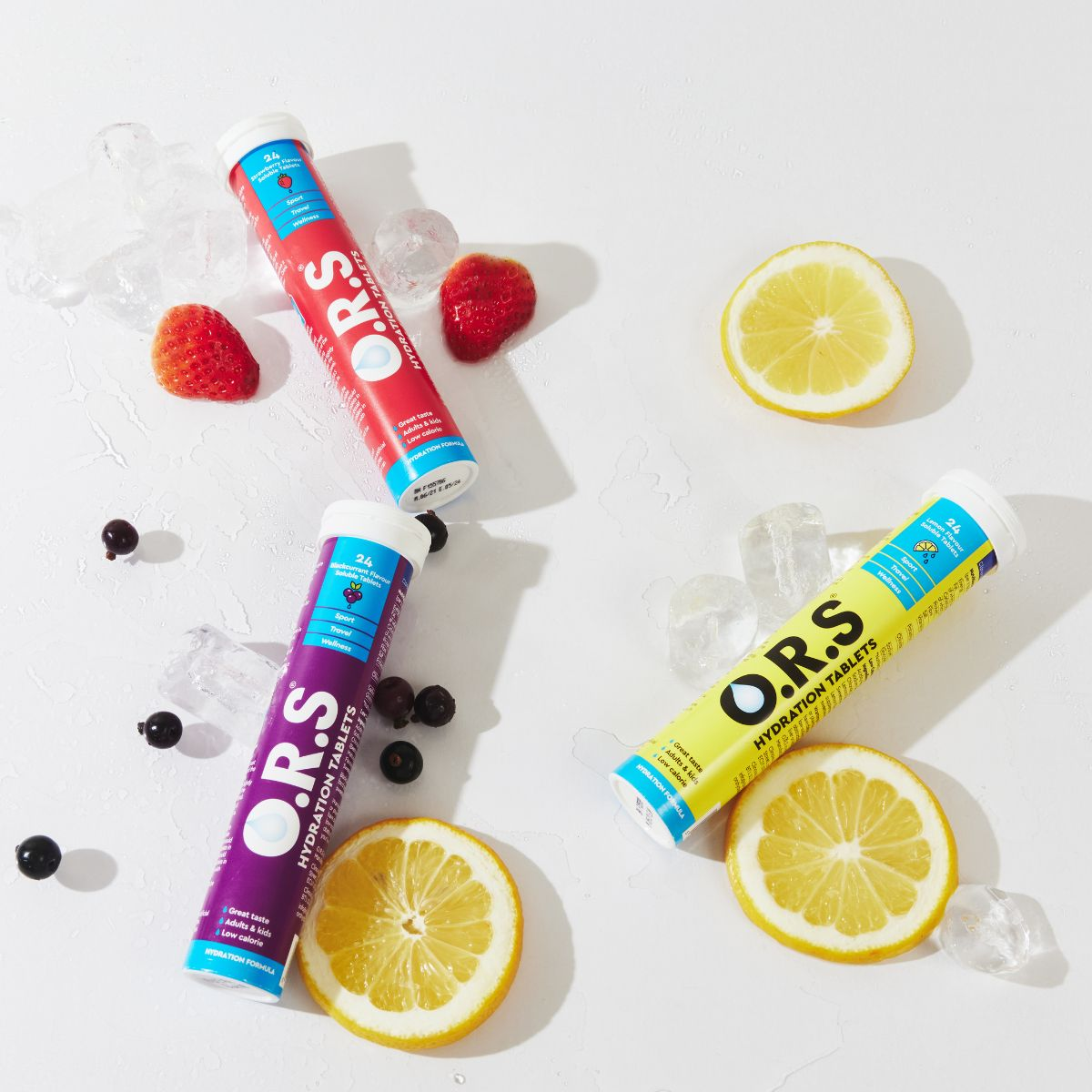
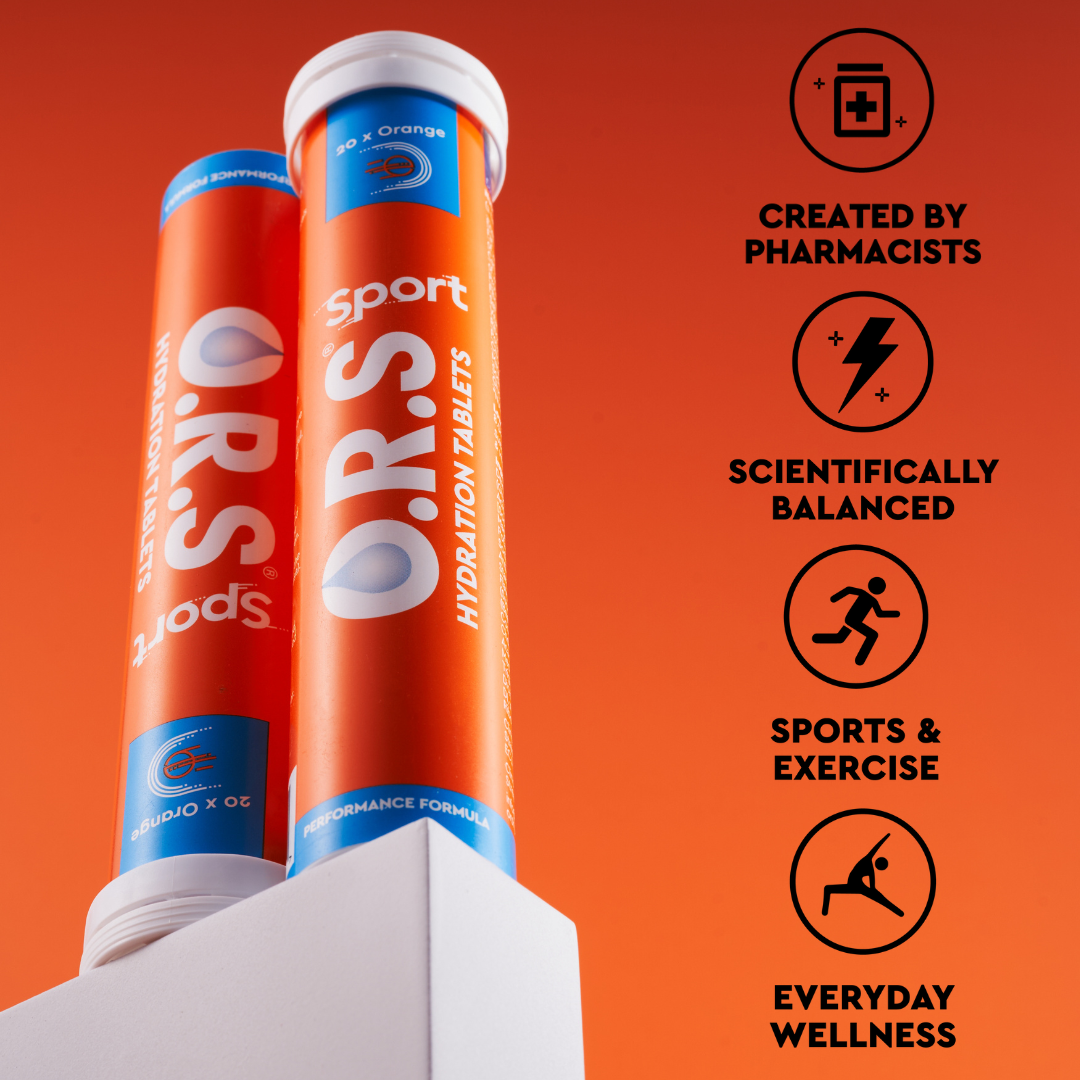
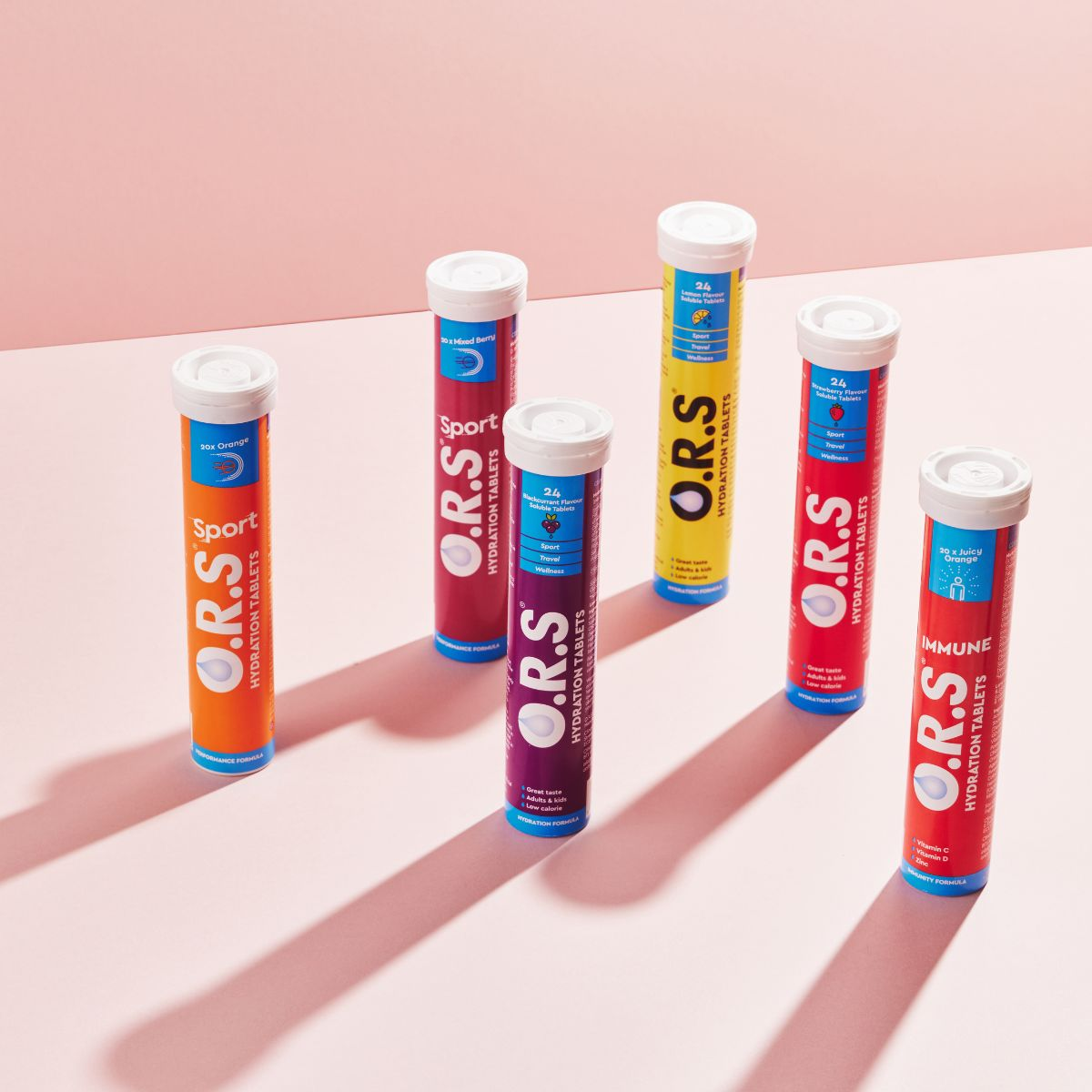
Look for sodium, potassium and chloride, plus a small amount of glucose to help enhance electrolyte absorption. O.R.S Hydration Tablets are formulated by pharmacists and are the only NHS-prescribed electrolyte tablets that follow WHO guidelines. With a range of flavours, our tablets have also been designed to make drinking water more appealing, even for those feeling the effects of GLP-1 medication.
What’s in O.R.S?
Dissolve TWO tablets in 200ml of water to prepare the electrolyte solution:
Ingredients
(per 2 tablets in 200ml of water)
- Potassium 193mg: Potassium contributes to normal muscle function and normal nervous system function.
- Sodium 277mg: Sodium contributes to normal fluid balance.
- Chloride 352mg: Chloride is an important electrolyte involved in normal fluid balance and acid-base balance.
- Glucose 3.27g: Our tablets contain a small functional dose of glucose, which helps enhance electrolyte absorption to hydrate you faster.
Feeling Dehydrated on Your GLP-1?
Feeling off on GLP-1 isn't always dehydration, but if you want to address feelings like fatigue or headaches, fluid and electrolytes are an easy place to start. Small, fluid-rich meals, regular sips and an electrolyte top-up when you need one can all help. If you're vomiting persistently, can't keep fluids down or are experiencing ongoing dizziness, contact your GP, prescriber or NHS 111 for advice. Seek urgent medical help if your symptoms are severe.