
How to Stay Hydrated on GLP-1: Electrolyte Balance on Your Weight Management Journey
Share
When people start GLP-1 medication, the focus is on food, not thirst. However, GLP-1 can dial down your drive to drink, as well as eat. That, plus the fluid and electrolyte losses that come with nausea, vomiting and diarrhoea, can quite easily leave you feeling flat, even when you think you're drinking enough. Here's how a proper hydration plan can help you balance electrolytes and get the best out of GLP-1 medication.
GLP-1 and Thirst
When you think about GLP-1 medication, you think about a reduction in hunger, not thirst. However, research has found that, as well as making users less inclined to eat, GLP-1 medications can also suppress water intake. GLP-1s can also cause gastrointestinal side effects, such as vomiting and diarrhoea, that cause your body to lose fluids, while symptoms like nausea can make replenishing those fluids much less appealing. Both the potential loss of fluids and a lower inclination to replace them make staying hydrated on GLP-1 much trickier than you might think.
Natriuresis: Losing Sodium on GLP-1
Beyond fluids, GLP-1 medication can also disrupt our electrolyte balance, specifically through our kidneys and natriuresis. Natriuresis refers to the excretion of sodium in urine, and there's further research to suggest that GLP-1 increases the amount of sodium we lose.
Sodium is an important electrolyte in our body, contributing to normal fluid balance. Hyponatraemia can have a number of causes, but current evidence does not show that routine GLP-1 use commonly causes low blood sodium. Fluid and electrolyte losses are more relevant when side effects such as persistent vomiting or diarrhoea occur.
The other signs of electrolyte imbalance to watch out for:
- Persistent fatigue even after rest
- Muscle cramps or twitches
- Brain fog and difficulty concentrating
- Headaches, irregular heartbeat
- Dizziness when standing up quickly
- A general sense of feeling flat or low-energy
Other GLP-1 Side Effects
Two of GLP-1's common gastrointestinal side effects, vomiting and diarrhoea, also have a big impact on hydration, flushing out fluids and electrolytes through the gastrointestinal tract. Plus, with reduced food and fluid intake, these losses can have more of an effect.
Vomiting
Vomiting removes fluid from your body while stripping out the electrolytes in your stomach. Electrolytes like sodium, chloride and potassium that play a part in your body's muscle function, nerve signals and fluid balance.
Diarrhoea
Diarrhoea works similarly, but the losses can be even more significant. As fluid moves through the gut too quickly to be properly absorbed, it carries sodium, potassium and chloride out with it.
Why Water Alone Doesn't Always Help
If you're drinking lots of water while experiencing the side effects of GLP-1, you might not be doing enough to rehydrate. That's because water alone does not address electrolyte loss, and electrolytes are essential to maintaining proper fluid levels.
Water moves into the blood and around the body through the small intestine. Here, absorption across the intestinal wall occurs by osmosis, in which water moves from an area of lower solute concentration to one of higher solute concentration. Electrolytes regulate this movement of fluid in and out of cells by creating an osmotic gradient.
So if you're trying to fight dehydration with just plain water, you may not be giving your body everything it needs to regulate fluid balance. If vomiting or diarrhoea is causing significant fluid and electrolyte loss, plain water will not replace those electrolytes, so an oral rehydration solution may be useful alongside fluids.
For more information on the science of hydration, see our blog, Why Water Isn't Always Enough.
How Much Water Should I Drink on GLP-1?
Drinking 6-8 glasses of fluid daily is often cited as the amount someone should aim for, but this doesn't take into account people's age, body size, exercise habits, and external factors such as temperature.
NHS guidance encourages us to pay attention to the signs of hydration, namely, the colour of our urine. Urine that's light in colour generally indicates that your body has enough fluid, whereas darker urine usually means you need to drink more.
The truth is, there is no right amount of water to drink a day. However, we do have a couple of tips for people on GLP-1, looking to manage their fluid intake.
Regular sipping
- Make a schedule – if you don't naturally feel like drinking, take small sips periodically throughout the day.
- Set reminders – use your watch or your phone to set alarms. Smaller drinks taken frequently are better than drinking a large amount all at once.
- Set targets – fill a bottle and give yourself a length of time to finish it. Again, don't drink it all in the first or last minute; that won't work.
Managing nausea
- Teas and other beverages – herbal teas, ice chips, flavoured soft drinks; if water doesn't appeal to you, drink what you can tolerate.
- Smaller sips – small regular sips can be easier to keep down than larger drinks. They can be less daunting, too.
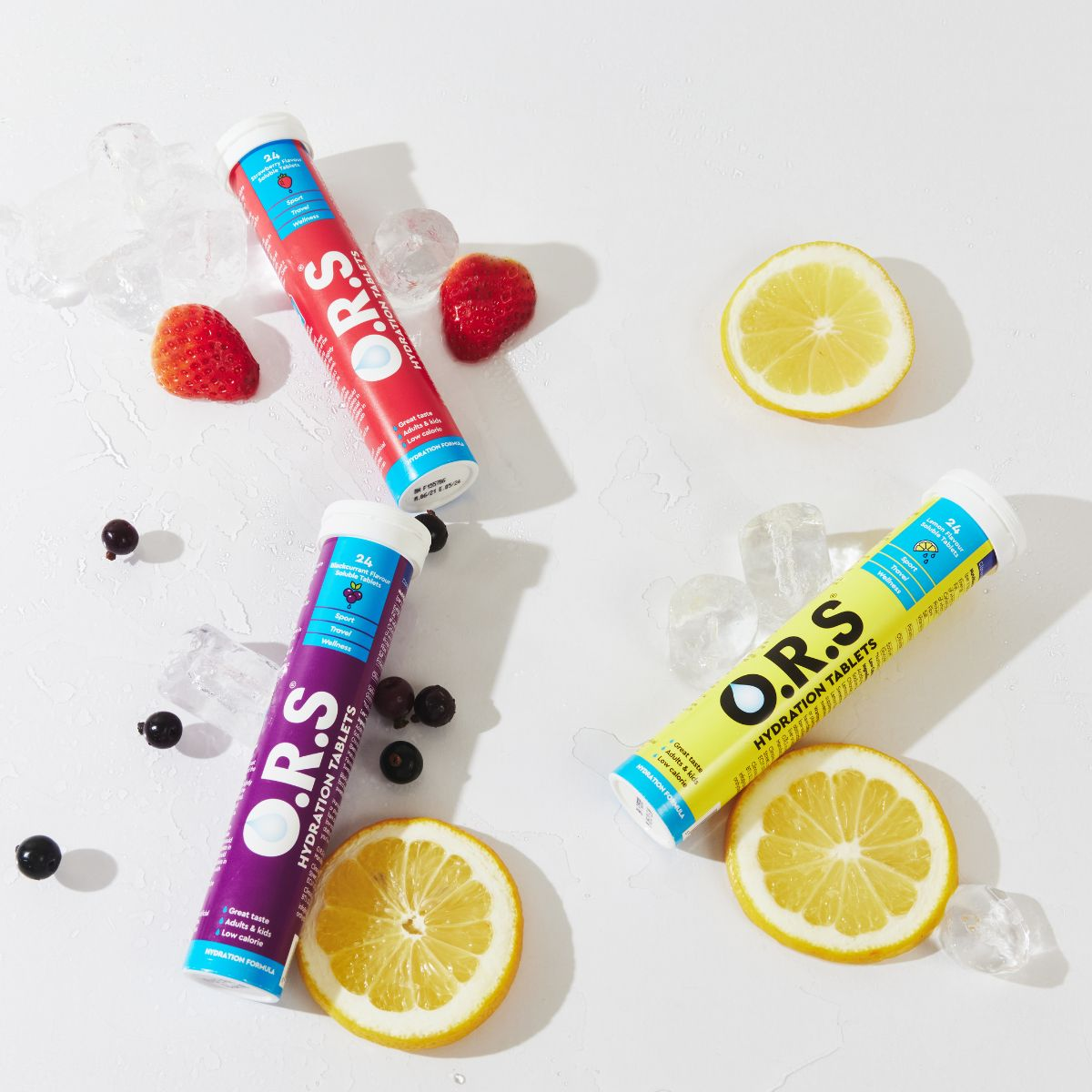
If it's a question of volume, you feel that you can only drink so much water, try an electrolyte solution. Not only are O.R.S Hydration tablets formulated to rehydrate 3x faster than plain water, but they can also help you hydrate more, with less liquid.
Electrolytes and GLP-1
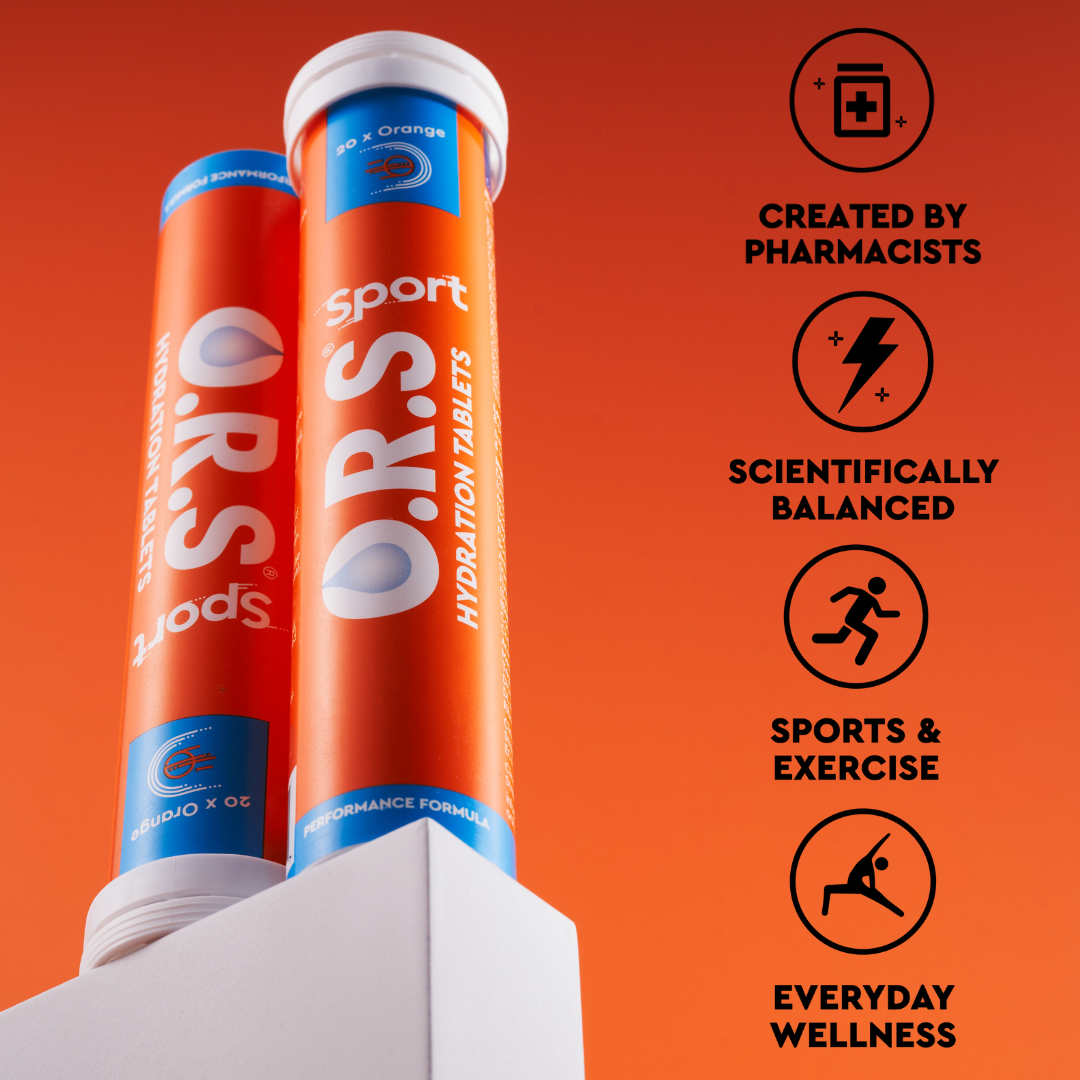
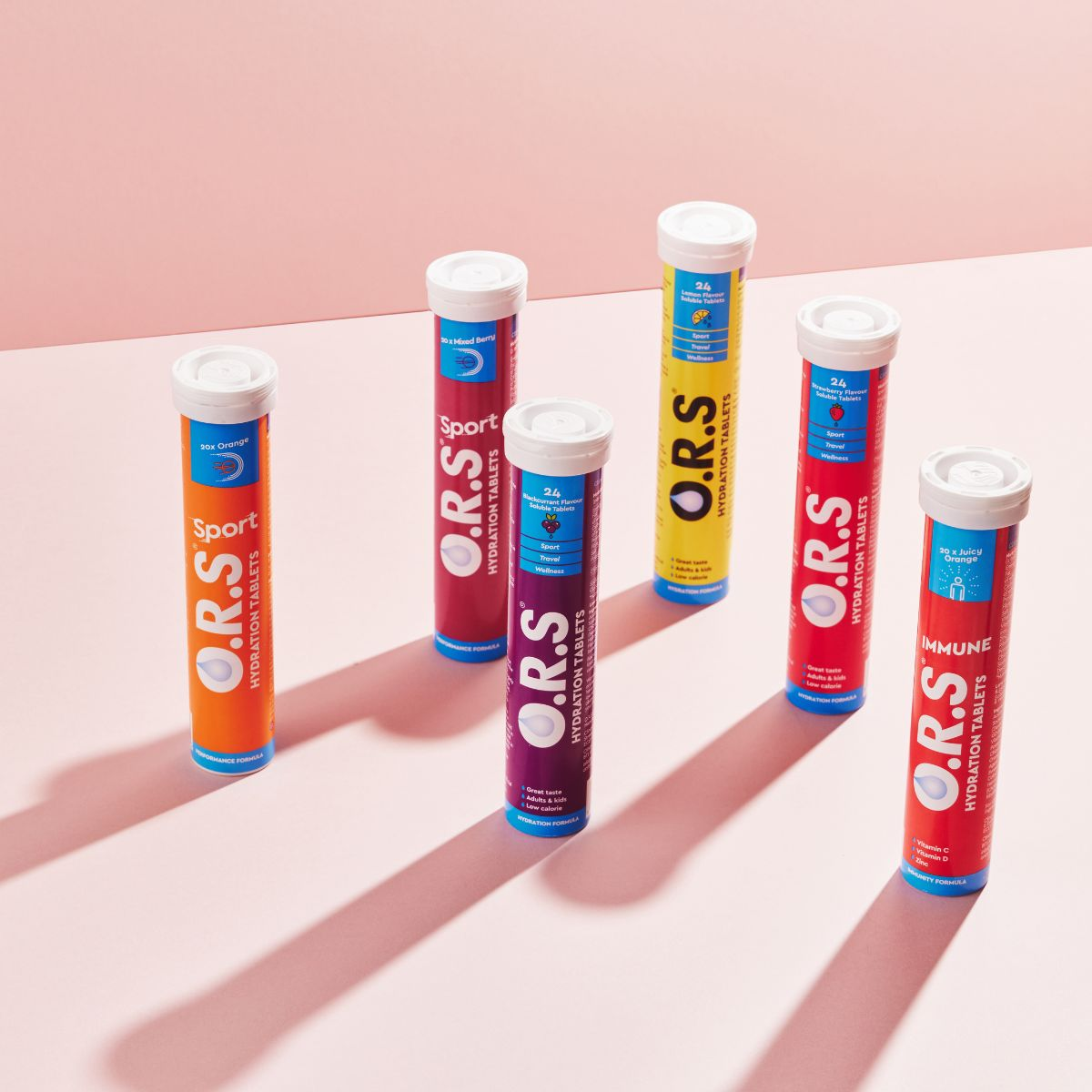
Our everyday tablets are a scientifically balanced blend of electrolytes, helping you to hydrate faster and for longer. Formulated by pharmacists, they're designed to support effective hydration as part of your weight management journey.
Ingredients
(per 2 tablets in 200ml of water)
- Potassium 193mg: Potassium contributes to normal muscle function and normal nervous system function.
- Sodium 277mg: Sodium contributes to normal fluid balance and is an important electrolyte lost in sweat.
- Chloride 352mg: Chloride is an important electrolyte involved in normal fluid balance and acid-base balance.
- Glucose 3.27g: Our tablets contain a small functional dose of glucose, which helps enhance electrolyte absorption to hydrate you faster.
Between potentially reduced fluid intake and fluid losses from side effects such as vomiting or diarrhoea, staying on top of hydration can become particularly important for some people taking GLP-1 medication. Paying attention to how you feel, sipping regularly rather than relying on big gulps, and topping up electrolytes alongside water can make a real difference to how you feel day to day on your GLP-1 journey.
FAQs
Why does GLP-1 suppress thirst?
Some research suggests GLP-1 receptor signalling may reduce fluid intake, but it is not established that everyone taking GLP-1 medication experiences suppressed thirst.
Why are electrolytes better than plain water for hydration?
Electrolytes play an important role in maintaining fluid balance within the body. For people on GLP-1, just drinking plain water won't replace the electrolytes they lose to other GLP-1 symptoms, such as nausea, vomiting, and diarrhoea.
Why do our tablets have glucose?
Our hydration tablets only include a functional dose of glucose because it helps your body to absorb electrolytes and rehydrate more quickly.
How many tablets can I take a day?
For O.R.S, we recommend a maximum of 2 everyday tablets per day, and 1 sport or immunity tablet per day.
Should I be drinking more or less on GLP-1?
It's not about drinking more or less; it's about trying to maintain a constant intake of water, even if you're not thirsty. O.R.S Hydration tablets can make replenishing electrolytes and staying hydrated on your GLP-1 journey easier.