
Does GLP-1 Cause Fatigue, and Can Hydration Help?
Share
Glucagon-like peptide-1 receptor agonists (GLP-1s or GLP-1RAs) are medicines that help people feel fuller by mimicking a natural hormone released after eating. You may know them as weight-loss injections, but you might not know about the other effects they can have on your body.
You'll usually see specific GLP-1s referred to by their brand names:
- Semaglutide – Wegovy, Ozempic and Rybelsus
- Tirzepatide – Mounjaro, which acts on both GIP and GLP-1 receptors
They're prescribed for people with type-2 diabetes and obesity, and they work very effectively. However, aside from appetite and weight loss, a lot of patients on GLP-1s notice a drop in energy when on the drug. If you're also feeling this fatigue, just know that you're not alone, and that dehydration may be making it worse.
What Does GLP-1 Do?
GLP-1 is a naturally occurring hormone that's made in your small intestine. It has several roles, including:
- Triggering insulin
- Blocking glucagon secretion
- Slowing stomach emptying
- Increasing how full you feel after eating
GLP-1 medications mimic the effects of the natural GLP-1 hormone by activating GLP-1 receptors. If you have type 2 diabetes, the medications can help manage your blood sugar by triggering your pancreas to release more insulin. The slowed digestion also helps decrease blood sugar spikes.
The satiety, or fullness, effect of GLP-1 agonists reduces your hunger and food intake. These combined effects often result in weight loss; but reduced food and fluid intake may also increase the risk of dehydration for some people. Reduced food intake, alongside side effects such as nausea, vomiting or diarrhoea, can make it easier for some people to fall behind on fluids. So if you're feeling fatigued on this medication, it's important to look to hydration, and beyond the drug's side effects.
What Are GLP-1 Side Effects?
The most commonly reported side effects of GLP-1 agonists include:
- Loss of appetite – this often means reduced fluid and electrolyte intake
- Nausea – can put you off drinking water, even when your body needs it
- Vomiting – direct fluid loss
- Diarrhoea – direct fluid loss
- Fatigue
Wegovy and Rybelsus both list fatigue as a potential side effect, while Ozempic users have reported similar feelings. In either case, fatigue can be either a direct side effect of the medicine itself, or an effect of the side effects, like vomiting and diarrhoea, draining your body of fluids and electrolytes.
How Else Does GLP-1 Cause Fatigue?
GLP-1 signals to the brain that you are full; you feel less inclined to eat. Reduced calorie intake may contribute to tiredness for some people. Fatigue can also occur as a side effect of some GLP-1 medicines, while gastrointestinal side effects such as vomiting and diarrhoea can contribute to dehydration.
Also, you must consider hydration when on GLP-1. Vomiting and diarrhoea can cost you fluid and electrolytes, while nausea and reduced thirst can stop you from replenishing them. This can result in fatigue.
Dehydration and Fatigue
When we don't drink enough fluids, dehydration can affect physical performance and leave us feeling tired or less able to concentrate. That's because fluid loss reduces our blood volume, which makes it harder for our hearts to circulate the oxygen and nutrients our bodies need to move and function. This can leave you feeling tired, foggy and weak.
Crucially, dehydration can also disrupt our electrolyte balance, which may contribute to feelings of weakness. This is a bigger problem when GLP-1 medication reduces our appetite and intake of electrolyte-rich foods. Maintaining a normal electrolyte balance helps support normal muscle and nerve function.
How Do You Know When It's Dehydration and Not GLP-1?
There are some symptoms that belong to both dehydration and GLP-1, such as:
- Fatigue
- Headaches
- Dizziness
- Dry mouth
- Upset stomach
However, if you're feeling fatigue alongside these other signs, it may be worth focusing on your hydration and electrolyte intake:
- Increased thirst
- Dark yellow urine
- Urinating less
- Muscle cramps
Electrolytes for Energy
Electrolytes are electrically charged minerals that help with many important bodily functions, including nerve signalling, muscle contractions, and maintaining effective hydration by regulating fluid levels in the body. Sodium, potassium, magnesium, and chloride are the main ones, and they play an important role in how your body works day to day.
Electrolytes such as sodium and potassium play an important role in maintaining normal fluid balance and supporting normal muscle and nerve function.
How Can O.R.S. Help?
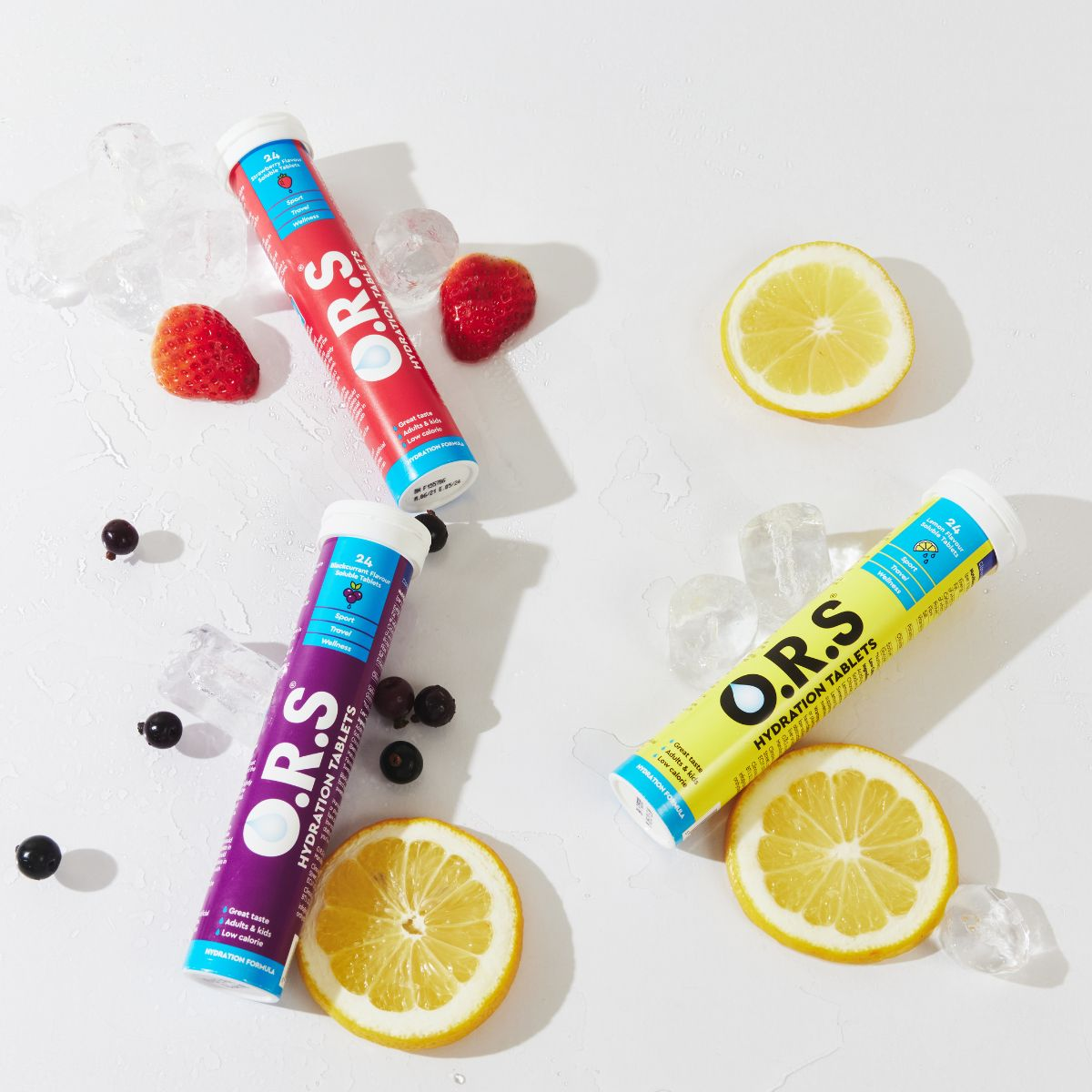
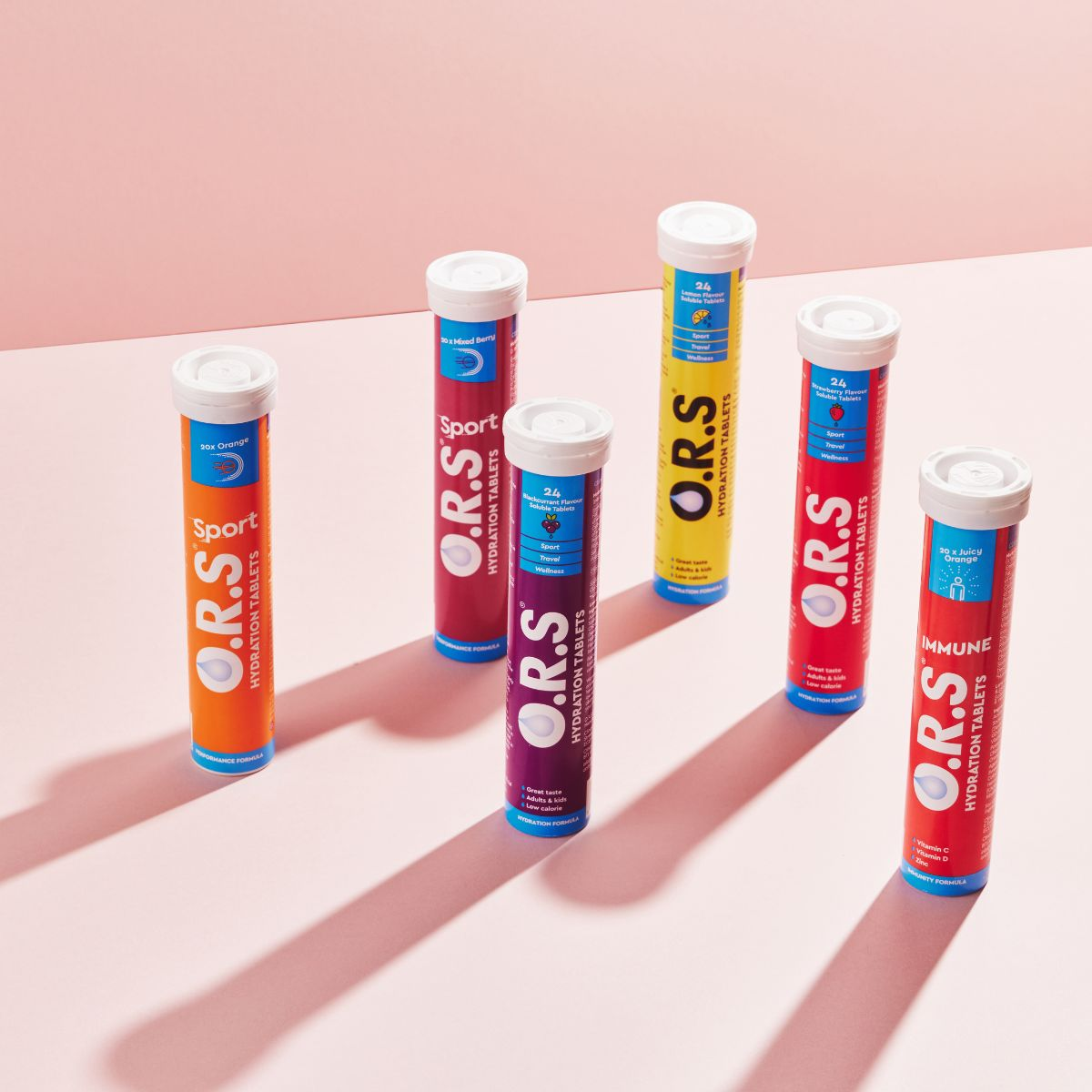
Because GLP-1 medications can reduce how much you eat and drink day to day, it's easy to fall behind on fluids and electrolytes without noticing, especially if nausea is making plain water unappealing. Our O.R.S hydration tablets are designed to top up what your body is missing, quickly and easily.
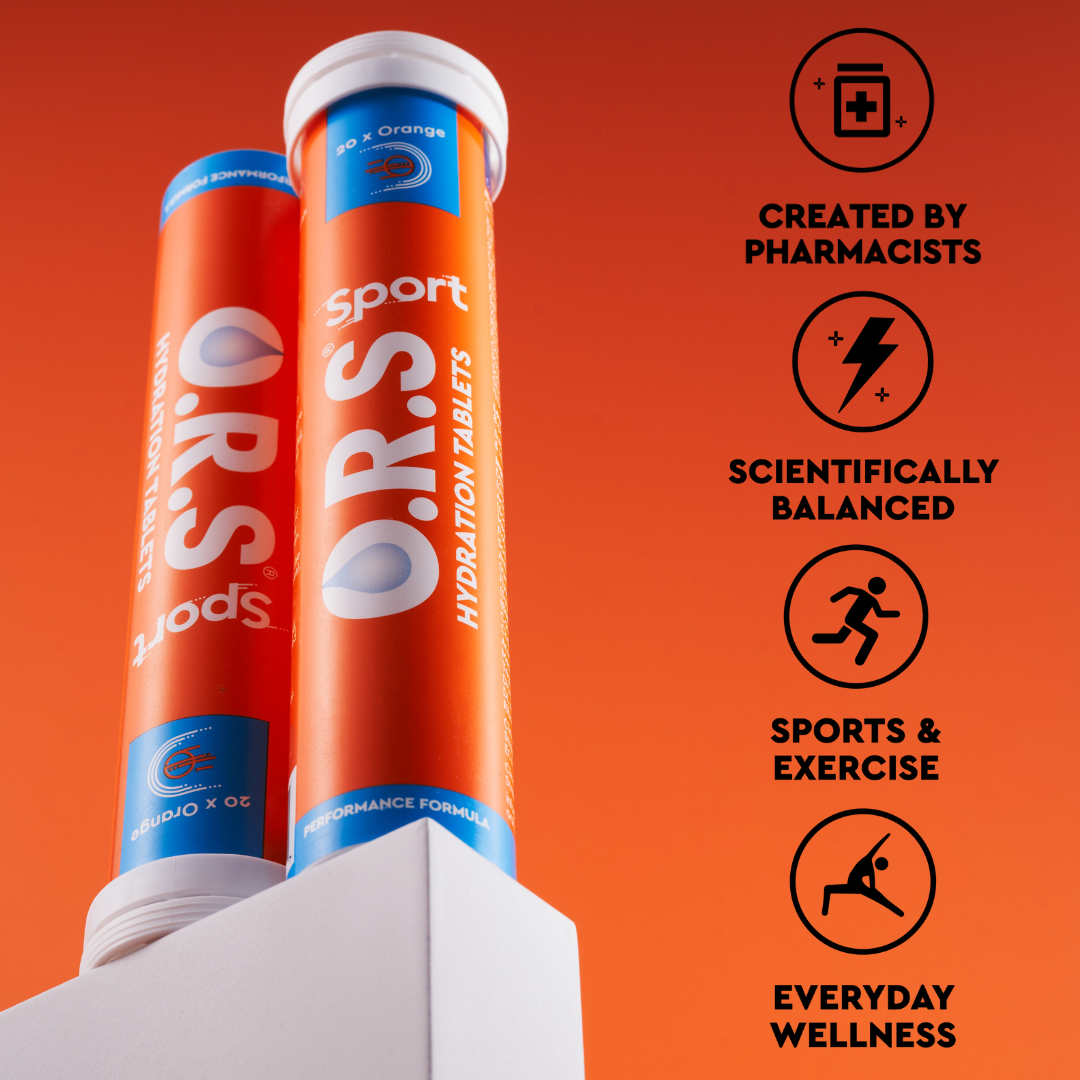
Each tablet is a scientifically balanced blend of electrolytes, formulated by pharmacists to help your body hydrate faster and more effectively than water alone. O.R.S Hydration Tablets are the only NHS-prescribed electrolyte tablets that follow WHO (World Health Organisation) guidelines.
Ingredients
(per 2 tablets in 200ml of water)
- Potassium 193mg: Potassium contributes to normal muscle function and normal nervous system function.
- Sodium 277mg: Sodium contributes to normal fluid balance and is an important electrolyte lost in sweat.
- Chloride 352mg: Chloride is an important electrolyte involved in normal fluid balance and acid-base balance.
- Glucose 3.27g: Our tablets contain a small functional dose of glucose, which helps enhance electrolyte absorption to hydrate you faster.
If you're on a GLP-1 medication and feeling more fatigued than usual, it's always worth speaking to your GP or prescriber, especially if symptoms are severe or persistent. But for the everyday dips that come with lower food and fluid intake, keeping O.R.S tablets in your cupboard is a simple way to help your body stay more hydrated with less water. For more tips, see our guide on hydration for GLP-1 users.