
Dehydration Symptoms (That Aren’t Thirst)
Share
Most people think of thirst as the body's built-in alarm for dehydration. But by the time you actually feel thirsty, your body is already running low. Mild dehydration can set in well before that signal kicks in, and the signs (and myths associated with dehydration) are often easy to mistake for something else entirely.
From afternoon energy crashes to persistent headaches, many everyday complaints trace back to fluid and electrolyte levels that have quietly dipped below optimal levels.
Here's what to look out for.
The Signs of Dehydration That Are Easy to Miss
Headaches
A dull, persistent headache is a common, overlooked sign of dehydration. When fluids drop and blood volume lowers, oxygen flow to the brain decreases, causing tension-type headaches that paracetamol may not ease. If you get afternoon headaches, rule out dehydration before taking pain relief.
Fatigue and Low Energy
Feeling sluggish without an obvious reason? Dehydration symptoms aren't always dramatic. Even mild fluid loss can affect how efficiently your cells produce energy, leaving you feeling heavier and less motivated than usual. This is particularly common in the afternoon, when fluid intake from the morning has been used up and hasn't been replaced.
Difficulty Concentrating
Brain fog, slow thinking, and difficulty staying focused are well-documented signs of dehydration. The brain is around 75% water, and even a small drop in hydration can impair cognitive function, affecting memory, reaction time and the ability to concentrate. If your thinking feels clouded mid-afternoon, your fluid levels may be part of the story.
Dark or Infrequent Urination
Urine colour is one of the most recognised dehydration symptoms. Pale yellow is the target. Dark yellow or amber signals that your kidneys are conserving water, which is a clear sign your body needs more fluids. Infrequent urination, going less than four times a day, is another indicator worth paying attention to.
Dry Mouth and Bad Breath
Saliva production decreases when you're dehydrated, leading to a dry, sticky mouth. Less saliva also means bacteria in the mouth multiply more easily, which can cause bad breath. If you notice either of these regularly, particularly in the morning, hydration could be a contributing factor.
Muscle Cramps
Electrolytes such as sodium and potassium regulate muscle contraction and relaxation. When these minerals are depleted through sweat or insufficient intake, muscles can cramp unexpectedly, even without intense exercise. Leg cramps at night are a particularly common sign and symptom of mild dehydration that many people don't connect to fluid balance.
Dizziness or Light-Headedness
Mild dehydration reduces blood volume, which can cause a drop in blood pressure when you stand up quickly. This produces a brief dizzy spell or head rush, known as orthostatic hypotension. It's usually harmless in healthy people, but it's a useful signal that your body could do with more fluids and electrolytes.
Dry or Dull-Looking Skin
Skin that lacks its usual elasticity or looks dull and tired can be a sign that your body is prioritising water for vital organs rather than surface tissue. A simple test: pinch the skin on the back of your hand. If it's slow to return to its flat position, that can indicate dehydration.
Low Mood and Irritability
One of the key signs and symptoms of mild dehydration is changes in mood. Irritability, anxiety and a general sense of feeling flat have all been associated with insufficient fluid intake. If your mood dips noticeably in the afternoon or after exercise, it's worth considering whether hydration plays a role.
What to Do When You Notice These Signs
As this article has shown, thirst is a late indicator. Building hydration into your routine before symptoms appear is always more effective than responding to them after the fact. Recognising the signs of dehydration is the first step. Acting on them effectively is the second. You can also undertake a dehydration test when experiencing these symptoms to see if dehydration is the culprit.
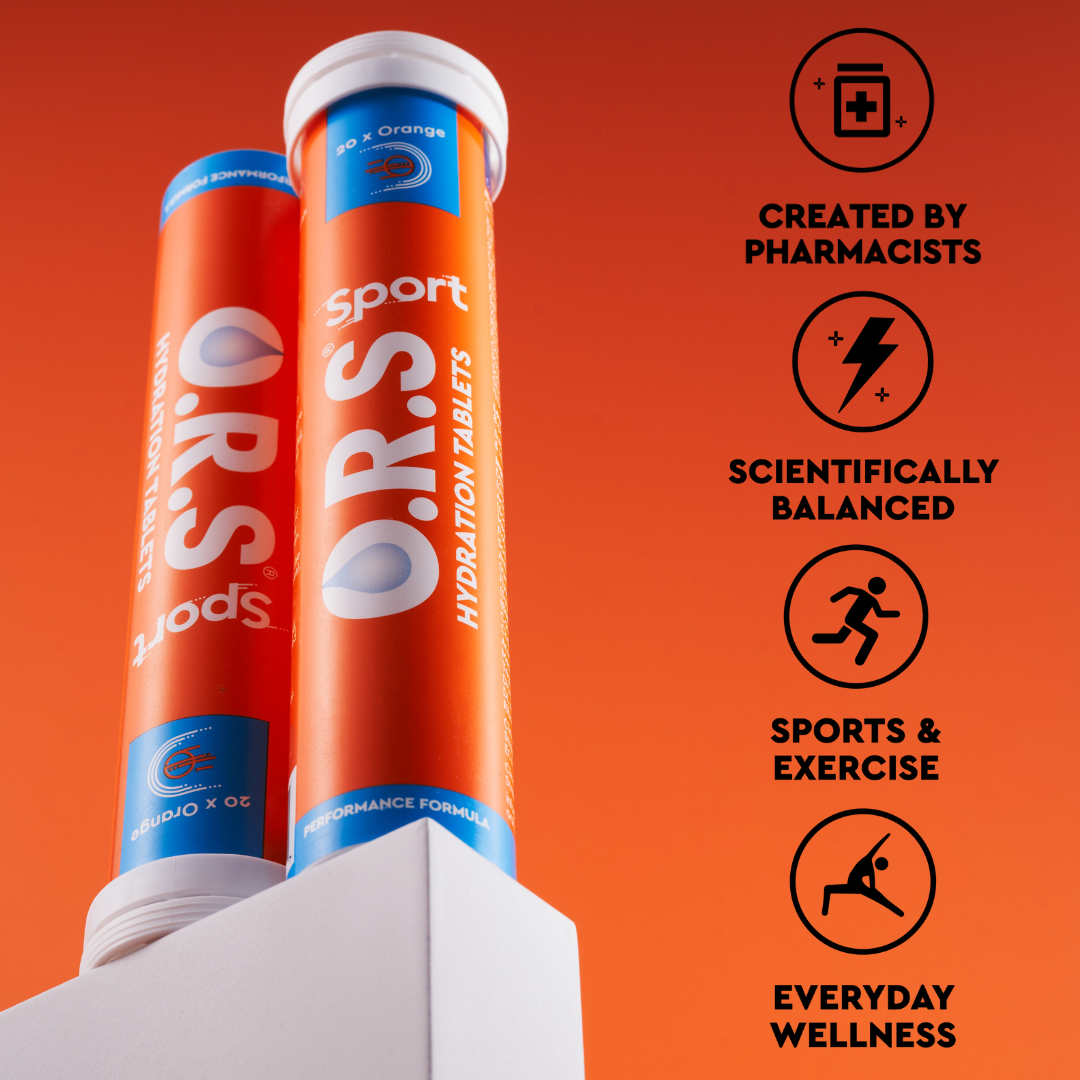
On days involving exercise, heat or high stress, your fluid and electrolyte needs are higher than on a quiet, cool day indoors. Sports Electrolytes are formulated to support higher-demand situations, while Everyday Electrolytes work well as a straightforward daily habit.
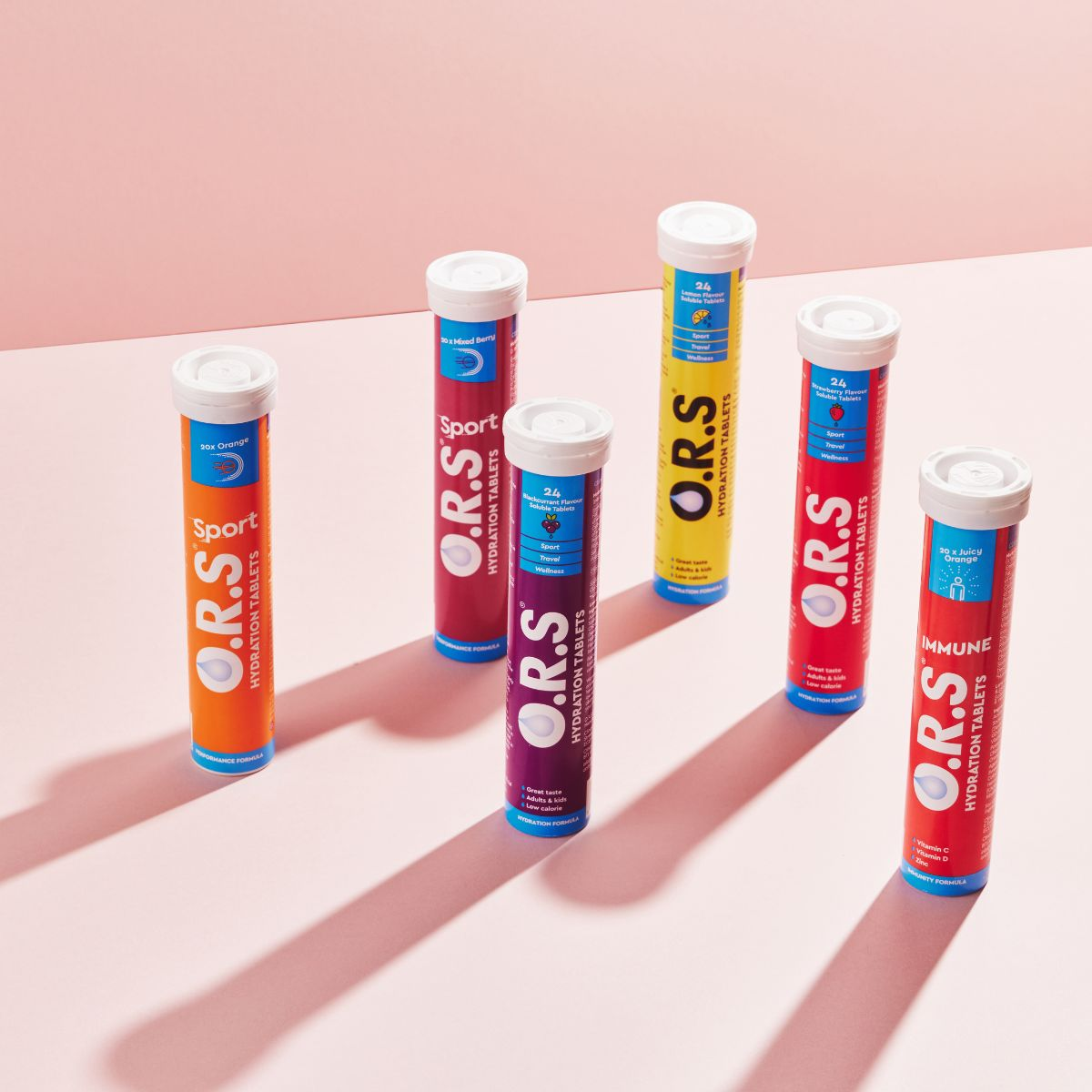
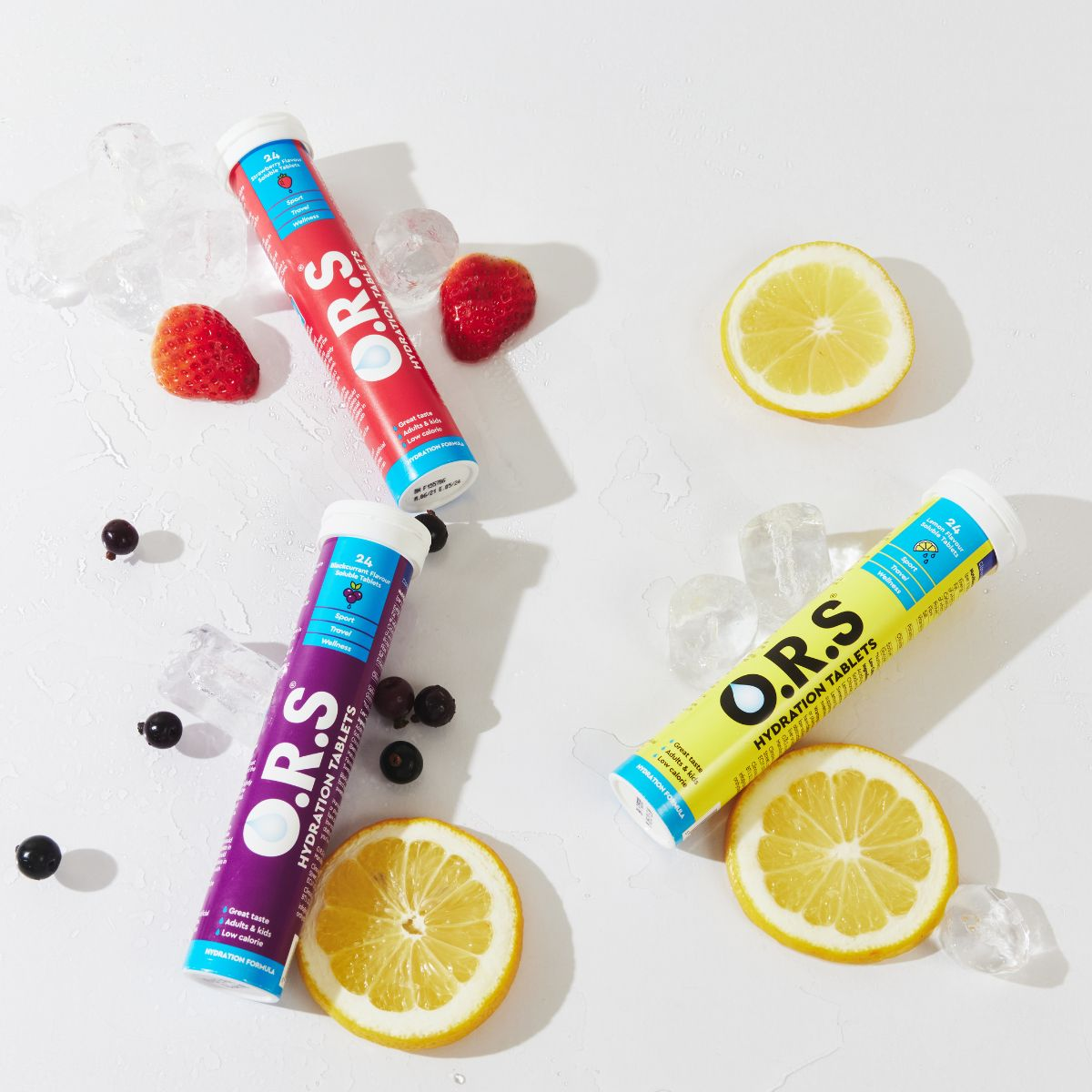
Plain water is a good start, but if you're experiencing symptoms, your electrolyte levels have likely dropped too. Adding an O.R.S Hydration Tablet to your water introduces the right balance of sodium, potassium, magnesium and glucose to help your body absorb fluids more efficiently and recover faster.


1 comment
Hi there.
Is it best to drink with cold water
Thankyou