

Electrolyte Imbalances: Why You Feel Tired Even When You Drink Enough Water
Share
If you’ve perfected your nighttime routine and are getting 8 hours each night, but still feel tired, you’re not alone. There are many reasons for persistent tiredness, such as poor sleep quality, high stress levels, and health conditions such as sleep apnoea and anaemia. But there’s another cause that you may not have considered — electrolyte imbalance.
Tracking your water intake is great, but if you still feel tired despite drinking enough, that could be a sign of a mineral imbalance. Essential minerals help regulate fluid balance, support muscle function, and keep energy systems running smoothly. Without proper levels, you may feel depleted despite good hydration.
Your body relies on a balance of water and electrolytes to function well, and when that balance is off, you may notice some very frustrating symptoms: low energy, headaches, muscle cramps, or difficulty concentrating.
What Are Electrolytes and Why Do They Matter?
Electrolytes are electrically charged minerals, and they’re vital for most bodily functions, including nerve signalling, muscle contractions (including the heart) and maintaining effective hydration by managing fluid levels in the body. Sodium, potassium, magnesium, and chloride are the main ones, and they play a huge role in how your body works.
When electrolyte levels are well balanced, water moves efficiently in and out of your cells. When they're not, your body has to work harder to use the fluid you're giving it, which means you can drink perfectly reasonable amounts of water every day and still feel groggy and dehydrated.
What Causes Electrolyte Imbalances?
They are more common than you think, and they don't always have an obvious cause. The most common causes are:
- Excessive sweating and overhydration during endurance exercise and in hot climates.
- Vomiting and diarrhoea resulting from illness.
- Certain medications that affect kidney function.
Everyday habits, such as a diet high in processed food and alcohol consumption, can also affect your electrolyte balance over time.
Even drinking a very high volume of plain water without replenishing electrolytes can dilute sodium levels, a condition known as hyponatraemia. This occurs when the sodium concentration in the blood drops too low, leading to water accumulation in the cells. Symptoms can range from nausea, headaches, and dizziness through to more serious neurological effects in severe cases. While hyponatraemia is most commonly seen in marathon runners and other athletes, it can affect anyone who consistently over-hydrates without adequate mineral support.
Low Electrolytes Symptoms to Watch Out For
One reason electrolyte imbalances often go unaddressed is that their symptoms are easy to attribute to other causes. Persistent fatigue gets blamed on a bad night's sleep. Headaches get put down to screen time or stress, and muscle cramps are written off as overdoing it at the gym.
In reality, these could be signs that your mineral levels are out of balance. Common signs of deficiency include:
- Persistent fatigue even after rest
- Muscle cramps or twitches
- Brain fog and difficulty concentrating
- Headaches, irregular heartbeat
- Dizziness when standing up quickly
- A general sense of feeling flat or low-energy
If any of those sound familiar, and you describe yourself as someone who drinks plenty of water or exercises regularly, it's worth considering whether electrolytes might be the missing piece.
Why Plain Water Isn't Always Enough
Plain water is essential, but it isn't always enough on its own. Electrolytes, particularly sodium, act as gatekeepers, helping transport water across cell membranes via osmosis. Without the right concentration of minerals in your system, fluid can't move efficiently into cells, which can leave you feeling thirsty and depleted, no matter how much you drink.
This is especially relevant for people who exercise regularly, live or work in warm environments, or simply have a higher fluid turnover day to day.
Addressing Electrolyte Deficiency
The good news is that you don’t need to change your lifestyle overnight. For most people, a few small and consistent changes make a noticeable difference.
Focus on eating a varied diet with plenty of whole foods. Bananas, leafy greens, nuts, and seeds are all natural sources of key electrolytes. Reduce your reliance on heavily processed foods, which tend to skew mineral balance towards excess sodium and away from potassium and magnesium.
For day-to-day support, particularly if you're active, frequently travel, or are simply not getting enough variety in your diet, an electrolyte supplement is one of the most practical tools you have. Look for formulas with a scientifically balanced combination of minerals rather than those that are mostly sugar or artificial flavouring.
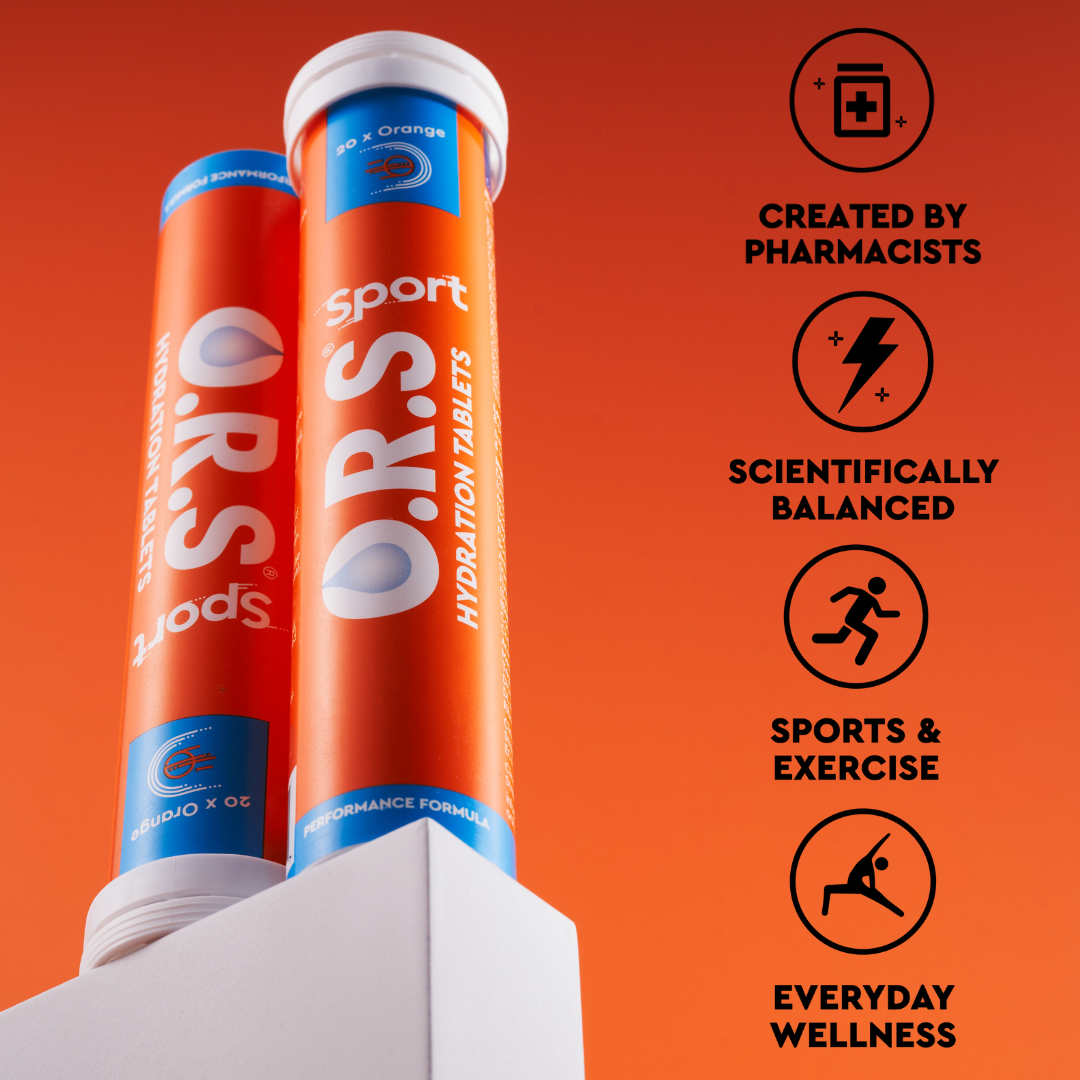
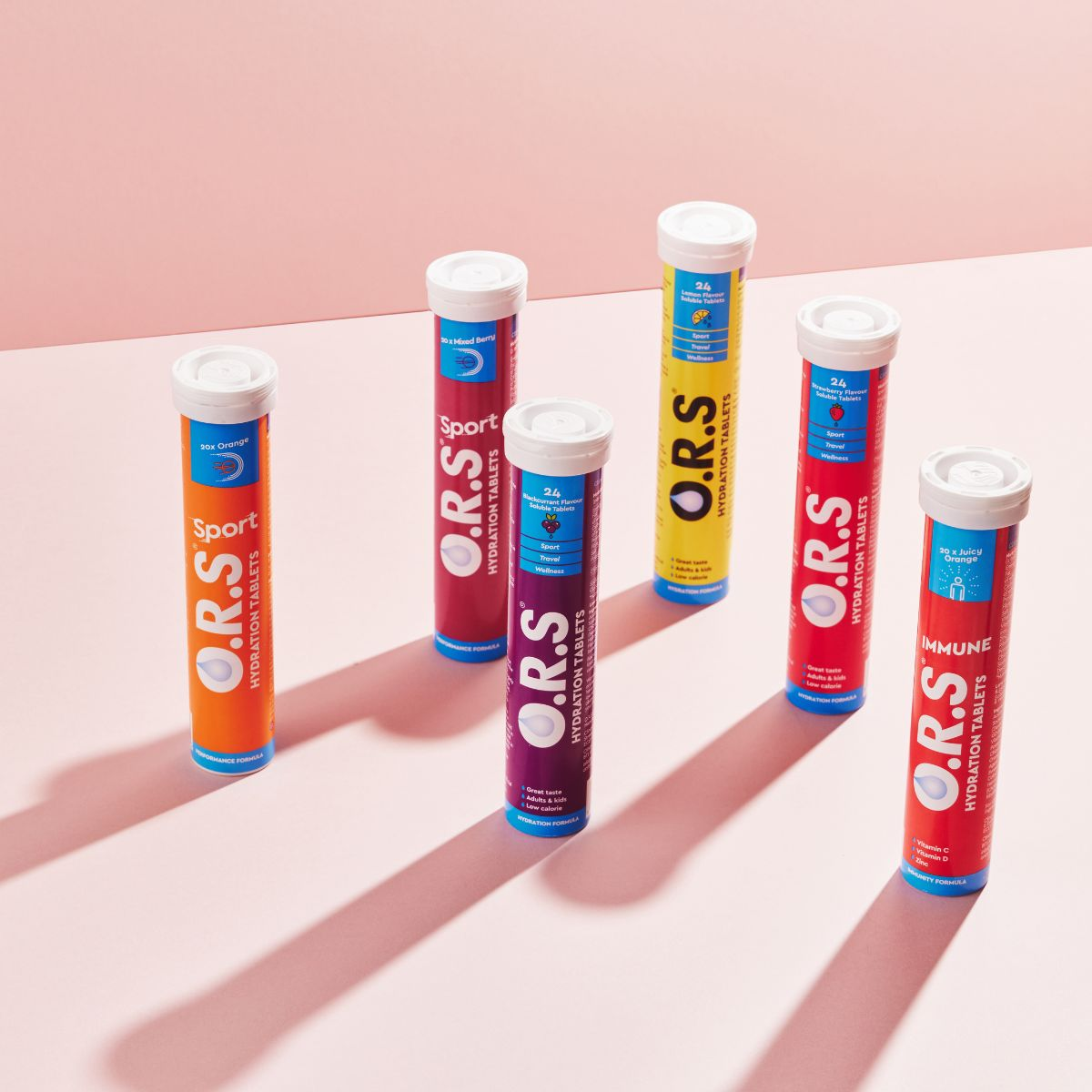
The Everyday Electrolytes range is designed exactly for this kind of regular use. Formulated to World Health Organisation guidelines, it delivers the minerals your body needs to actually absorb and use the fluid you're drinking throughout the day.