
The Science of Hydration: Why Water Isn't Always Enough
Share
We're told to drink more water. It's one of the most repeated pieces of health advice going. But hydration is more nuanced than simply hitting a daily fluid target, and for many people, plain water isn't quite enough.
Understanding how your body actually uses water may change the way you think about hydration and clarify why you might still feel unwell even after drinking plenty.
How Does Water Absorption Work?
So, how exactly does water absorption work? When you drink water, it doesn't simply flood your cells the moment it reaches your stomach. It passes into the small intestine. Absorption across the intestinal wall occurs by osmosis, in which water moves from an area of lower solute concentration to one of higher solute concentration. That means your body needs the right balance of dissolved minerals in the bloodstream to pull water in effectively.
This is where electrolytes come in. Without adequate mineral levels, water can pass through the digestive system before your cells have had a chance to properly absorb it. Understanding how water absorption works helps explain why hydration is about much more than volume alone.
The Role of Electrolytes in Hydration
Electrolytes are electrically charged minerals that regulate the movement of fluids in and out of cells. The main players are:
Sodium coordinates fluid balance across the body and drives the sodium-glucose cotransporter mechanism, increasing sodium absorption, and water follows osmotically. It's one of the primary reasons oral rehydration solutions are formulated with both sodium and glucose.
Potassium works in balance with sodium to maintain the correct fluid pressure inside cells. Low potassium can contribute to muscle cramps, fatigue and a general sense of being run-down.
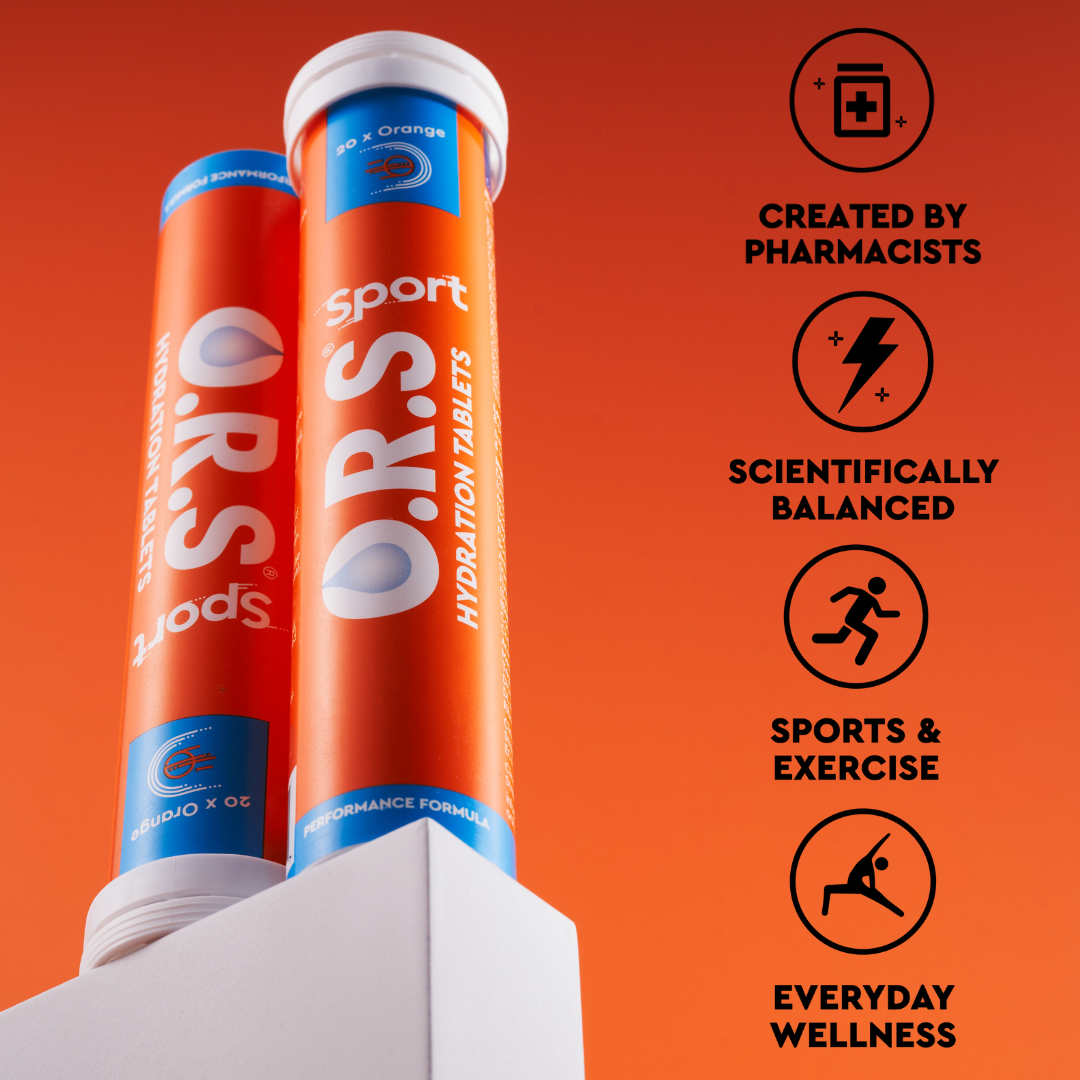
Magnesium supports hundreds of enzyme processes and plays a role in muscle and nerve function. It also helps regulate the movement of other electrolytes, making it an important supporting mineral in any hydration strategy, especially for those who lead an active lifestyle. Our O.R.S Sport Hydration Tablets have added magnesium to support muscle and nerve function.
Chloride partners with sodium to maintain fluid balance.
Together, these minerals create the right environment for water to be absorbed efficiently, distributed to where it's needed and retained, rather than simply excreted.
Why Glucose Matters Too
Quality electrolyte tablets often contain a functional does of glucose. This isn't just for flavour. Glucose activates the sodium-glucose co-transport system in the gut wall, essentially opening a channel that allows sodium and water to be absorbed more rapidly and effectively.
This is the principle behind the World Health Organisation oral rehydration guidelines, which O.R.S Hydration Tablets are formulated to meet. The glucose quantity is kept deliberately low, just enough to enhance absorption without adding unnecessary sugar to your diet.
Why "Just Drink More Water" Isn't Enough
Here's where the science gets interesting. Plain water has a lower solute concentration than your blood and body fluids. When you drink a large amount of plain water quickly, your body can actually dilute its own electrolyte levels, which may slow absorption and increase urinary output rather than improving hydration.
This is why athletes, people recovering from illness, and those taking certain medications are often advised to use electrolyte supplements rather than relying solely on water. It's also why you might drink what feels like plenty and still experience the classic signs of poor hydration: fatigue, brain fog, headaches and dry mouth.
The science of hydration tells us that fluid intake and electrolyte balance are inseparable. Getting one right without the other only takes you so far.
When Does Your Body Need Extra Support?
Every day life creates more opportunities for electrolyte depletion than most people realise. Exercise causes you to lose sodium and potassium through sweat. Hot weather increases fluid loss. Alcohol is a diuretic that disrupts mineral balance. Fasting and dieting can reduce fluid loss, and illness involving vomiting or diarrhoea can quickly deplete electrolytes.
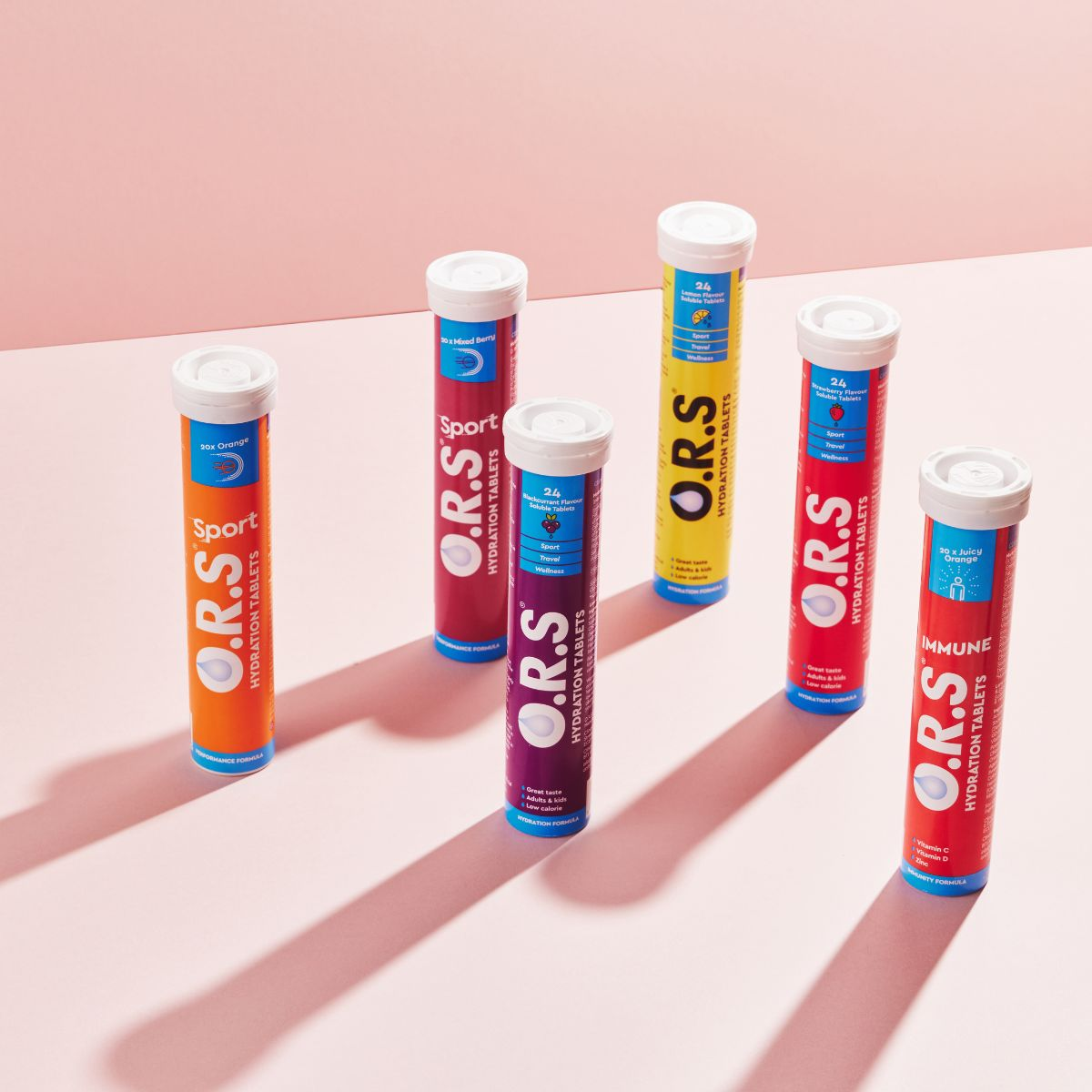
For daily hydration support, O.R.S Everyday Electrolytes offer a straightforward way to top up mineral levels throughout the day. For those with higher physical demands, Sports Electrolytes are specifically formulated to support performance, recovery and endurance.
How do O.R.S Hydration Tablets work?
O.R.S Hydration Tablets use electrolyte-driven osmosis to help your body absorb water faster and more effectively than plain water.
Watch this video to find out exactly how O.R.S. electrolytes impact your body.