

How Fasting Effects Hydration?
-
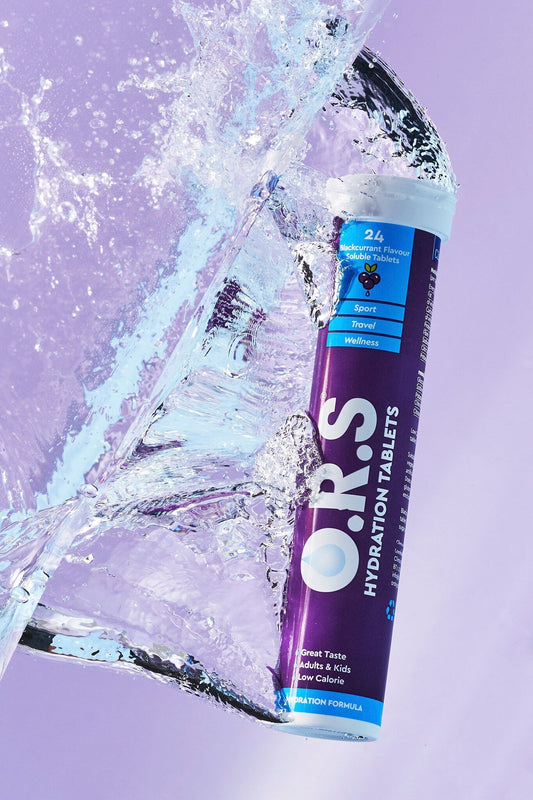
Blackcurrant Electrolyte Tablets
Vendor:EVERYDAY HYDRATIONRegular price From £7.99Regular price -
Mixed Berry Electrolyte Tablets
Vendor:SPORTS HYDRATIONRegular price From £8.99Regular price -

 SOLD OUT
Juicy Orange Electrolyte Tablets
Vendor:HYDRATION + IMMUNITYRegular price From £8.99Regular price -
Lemon Electrolyte Tablets
Vendor:EVERYDAY HYDRATIONRegular price From £7.99Regular price -
Strawberry Electrolyte Tablets
Vendor:EVERYDAY HYDRATIONRegular price From £7.99Regular price -
Strawberry Electrolyte Tablets
Vendor:KIDS HYDRATIONRegular price From £7.99Regular price


-

Dehydration Symptoms (That Aren’t Thirst)
Discover the lesser-known signs of dehydration, from brain fog to muscle cramps, and how to rehydrate effectively.
Dehydration Symptoms (That Aren’t Thirst)
Discover the lesser-known signs of dehydration, from brain fog to muscle cramps, and how to rehydrate effectively.
-

Debunking Some Common Dehydration Myths
Staying adequately hydrated may be a simple matter of drinking enough fluids, but there are a surprising number of myths and misconceptions around the topic.
Debunking Some Common Dehydration Myths
Staying adequately hydrated may be a simple matter of drinking enough fluids, but there are a surprising number of myths and misconceptions around the topic.
-

How To Protect Kids From Dehydration In Hot Weather
Young children are particularly prone to dehydration during hot weather, and they need some extra care and attention. Here are some useful tips to bear in mind.
How To Protect Kids From Dehydration In Hot Weather
Young children are particularly prone to dehydration during hot weather, and they need some extra care and attention. Here are some useful tips to bear in mind.


-

How Much Is Too Much Sodium?
People are different. And different people need different amounts of sodium throughout the day. The problem is, how do you know how much you need?
How Much Is Too Much Sodium?
People are different. And different people need different amounts of sodium throughout the day. The problem is, how do you know how much you need?
-

Electrolytes: The Key To Powering Through The Festive Season
Here’s a look at how maintaining hydration and electrolyte levels can help you to power through the festive season and make sure that you are at your best.
Electrolytes: The Key To Powering Through The Festive Season
Here’s a look at how maintaining hydration and electrolyte levels can help you to power through the festive season and make sure that you are at your best.
-
The Benefits of Going Caffeine-Free
It can be easy to slip into the habit of consuming more coffee or energy drinks than is good for our wellbeing. Here’s some benefits of giving up caffeine.
The Benefits of Going Caffeine-Free
It can be easy to slip into the habit of consuming more coffee or energy drinks than is good for our wellbeing. Here’s some benefits of giving up caffeine.

