

Dehydration Tiredness: How Electrolytes Combat the "Afternoon Crash"
Share
It’s 3pm. Your coffee’s gone cold, there’s a stack of work that needs doing, and despite it being at least 2 hours until quitting time, your brain has already clocked off. Sound familiar? This is the 3pm brain fog or dehydration tiredness.
Your eyelids start to feel heavy, you’re re-reading one sentence 3 times before you realise what it actually says, and your productivity is non-existent. Your boss tells you to power through, your body tells you it needs something sugary, but there’s a simpler way to fight that afternoon slump. Rehydration. And with O.R.S, there’s a quick and easy way to do this.
What Is the Cause of Brain Fog?
There are a few usual suspects behind the 3pm dip. Your circadian rhythm naturally drops in the early to mid-afternoon. Add a post-lunch crash, where your body diverts energy and blood flow towards digestion, and also the cumulative load from a morning’s worth of meetings, work and screen time, it’s no wonder your concentration and focus start slipping.
However, dehydration’s often an overlooked cause of 3pm brain fog. By mid-afternoon, many of us are running on far less water than we think, and the effects are showing up where you might not expect: concentration, energy and mood. Dehydration is the real productivity killer, and it can compound all the above issues.
How Does Dehydration Cause Afternoon Tiredness?
Around 60% of the human body is water, and even a small drop below ideal fluid levels is enough to force your body into working harder. With less fluid available, blood volume drops, meaning your heart has to work harder to pump oxygen and nutrients around the body. This extra strain can contribute to feelings of fatigue, even if we’re not doing anything particularly demanding.
Beyond your body, dehydration has a knock-on effect on your mind, too. Mild dehydration may reduce blood flow efficiency, which can contribute to poorer concentration and alertness, two common symptoms of brain fog.
It’s a vicious cycle: the less hydrated we are, the less energy we have to get up and refill our water bottles. The more stressed or burdened we feel, the less we remind ourselves to take on more fluids. This only makes the afternoon brain fog thicker.
Other signs of dehydration to watch out for
- Darker urine
- Headaches
- Dry mouth or lips
- Feeling thirsty
- Dizziness or light-headedness
If you're regularly experiencing afternoon tiredness, your hydration habits could be worth reviewing. Maybe go for a glass of water at 3pm, instead of that double espresso.
Can Electrolytes Fight Brain Fog Symptoms?
Water is great. But it is not always enough by itself. Electrolytes, like sodium, potassium and chloride, play an important role in maintaining your body’s fluid levels, muscle and nerve function.
This is where electrolyte supplements can help. Rather than just adding more liquid, they also replenish the important electrolytes that support our bodies’ natural hydration process.
When’s the best time to rehydrate?
Hydration is about more than just ‘how much’ you drink. Timing matters as much as volume. A simple schedule can make a world of difference:
- Wake-up: After a few hours without fluids, we are often at our most dehydrated. Taking on a glass or two of water now sets the tone for the day ahead.
- Morning-noon: Little and often works better than downing cup after cup. Our bodies can only absorb so much at once, so sip regularly.
- The 2-4pm window: This is when focus starts to fade. Now, it’s time to be proactive, top up before sluggishness sets in.
- Evening: One or two glasses with your evening meal should be enough to round out a well-hydrated day.
Checking in with your body is also important if you want to stop dehydration tiredness before it starts. If your body’s telling you it’s thirsty, don’t ignore it. Also, the colour of your urine is one of the best indicators of whether or not your body has enough fluids. For more advice, see our other tips on spotting and fixing the signs of dehydration.
For moments when you need a rehydration boost, whether that’s a rushed morning or a slow slog through mid-afternoon, O.R.S Everyday Hydration is a quick and effective way to rehydrate, should you need it.
How O.R.S Everyday Hydration Can Help
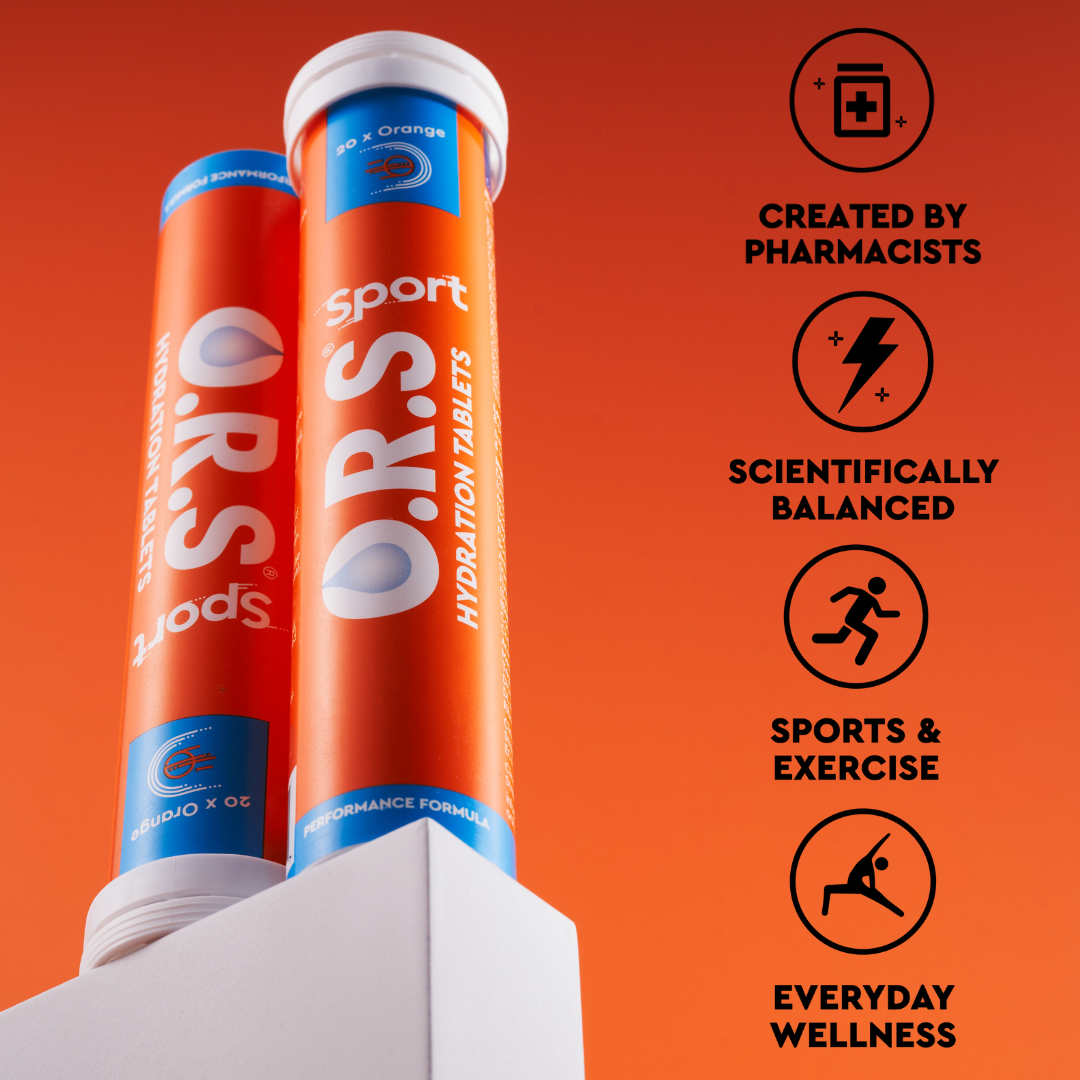
We designed O.R.S Hydration Tablets to make proper hydration simple, for whenever you hit that productivity wall. Our tablets are pharmacist-formulated, NHS-prescribed and designed to follow WHO-recommended rehydration guidelines. Trust science-backed hydration, skip the guesswork and sugary alternatives.
Every tablet contains a scientifically balanced blend of sodium, potassium and chloride to properly maintain and restore your body’s fluid balance. That means effective hydration that helps you stay refreshed throughout the day, not just a quick caffeine spike followed by another crash.
Sodium
Sodium contributes to normal fluid balance and is an important electrolyte lost in sweat.
Potassium
Potassium contributes to normal muscle function and normal nervous system function.
Chloride
Chloride is an important electrolyte involved in normal fluid balance and acid-base balance.
Our tablets are portable and fit perfectly into a backpack or desk drawer. Keep a tube handy for that 3pm slump and dehydration tiredness.