
UK Heatwaves: 5 Signs of Dehydration & How to Fix Them Fast
Share
The hotter it is, the more you sweat. The more you sweat, the more fluids
and electrolytes you lose, and the more you run the risk of becoming dehydrated.
This is becoming more of a problem for people in the UK, as temperatures and the intensity of heatwaves here continue to rise.
Many people don’t take hydration seriously at the best of times. But neglecting to drink enough fluids in high-30s temperatures can be dangerous, with dehydration and, in severe cases, heat stroke, causing real health problems.
So, for this summer, we’ve pulled together a list of 5 signs of dehydration to watch out for, plus some simple tips for rehydrating quickly should the need arise.
What Are The Signs Of Dehydration
As always, prevention is the best course of action. Protect yourself from dehydration in warmer weather by taking on plenty of fluids and eating a balanced diet.
The exact amount of water a person should drink in a day depends on many individual factors. Medical professionals suggest 6-8 cups of fluid a day. However, in cases such as hotter temperatures, periods of increased physical activity, or illness, this should be higher.
It’s important to be both conscious of temperature and of the signs of dehydration.
Thirst
The most obvious sign is thirst, which is your brain's way of telling you to drink more. Water is vital for the normal function of all internal organs, and if water levels drop by even a fraction, thirst signals us to drink more.
Thirst is usually pre-emptive, a warning our brain gives us before we dehydrate. But as we get older, this mechanism may become less reliable, and thirst may only manifest when we’re already dehydrated.
In warmer weather, pay closer attention to what your body is telling you. Thirst and dry mouth mean you should drink.
Headaches
When your body doesn’t get enough fluids, you may feel pain or tension in your head. This is because tissue, including your brain, shrinks when it doesn’t have enough water. This can put pressure on the nerves around your brain and cause either a dull or throbbing feeling in your head.
Different people react differently, but it’s normal to feel pain in the front, back, or side of your head, as a stabbing sensation or a constant ache.
It doesn’t take a large loss of fluid for headaches to occur. In more extreme cases of dehydration, you may feel light-headed or even dizzy.
Dark yellow urine
Urine is a waste product produced in the kidneys that naturally includes yellow pigments. It is often darker in colour when you are dehydrated because the urine is more concentrated. Healthy urine is a light yellow colour because it contains more water, meaning that the yellow pigment is more diluted.
There are other reasons for darker coloured urine, hepatitis, liver or kidney disease, but dehydration is usually the cause. If you are dehydrated, you may also notice that you take fewer trips to the loo; this, and the darker fluid you excrete when you do go, is because your body is trying to retain water.
Feeling tired
Water is vital for energy production, so without it, we naturally feel much more tired. Lower fluid levels also mean greater effort for performing bodily functions. Blood circulation suffers. The knock-on effect of this is reduced oxygen delivery throughout the body and lower energy levels.
Dehydration can also affect attention and alertness, making us feel more sluggish. Mood swings are also common, so if you find yourself becoming more irritable, you may be dehydrated.
Sunken eyes
Sunken eyes are one of the visible signs of dehydration. When your body lacks fluid, your skin loses a lot of its plumpness. Dehydration can leave you looking flat and saggy, especially around the eyes.
How To Rehydrate
Drinking water begins the process of rehydration. The body rehydrates by ingesting fluids through the gastrointestinal tract and then circulating them throughout the body via the bloodstream.
Water in the blood is circulated throughout the body’s tissues, where it enters cells via osmosis. Once here, it facilitates normal bodily functions.
However, water alone is often not enough to rehydrate quickly.
How Electrolyte Solution Hydrates You Faster Than Water
Electrolytes play a huge role in maintaining your body’s fluid balance, so your cells can stay hydrated and function effectively. The problem is that in hot weather, we lose electrolytes through sweat.
When we drink water without replenishing electrolytes, we can actually dilute the electrolytes in our bodies. Replenishing electrolytes alongside water is the fastest way to rehydrate.
Sodium, potassium and chloride help support fluid balance. O.R.S electrolyte solutions can support effective rehydration because they contain these electrolytes alongside a small amount of glucose/dextrose, which helps electrolyte and water absorption when your body needs rehydration.
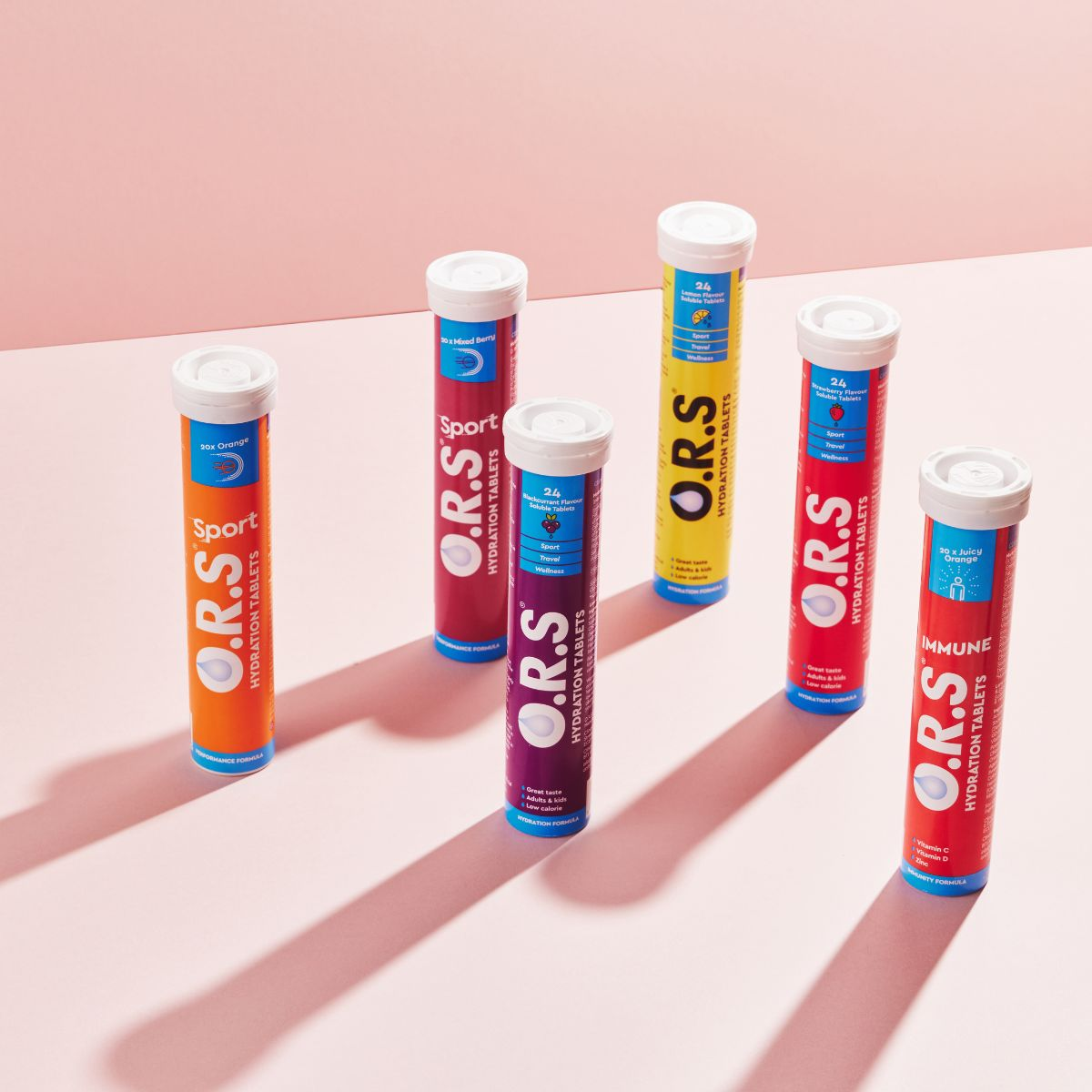
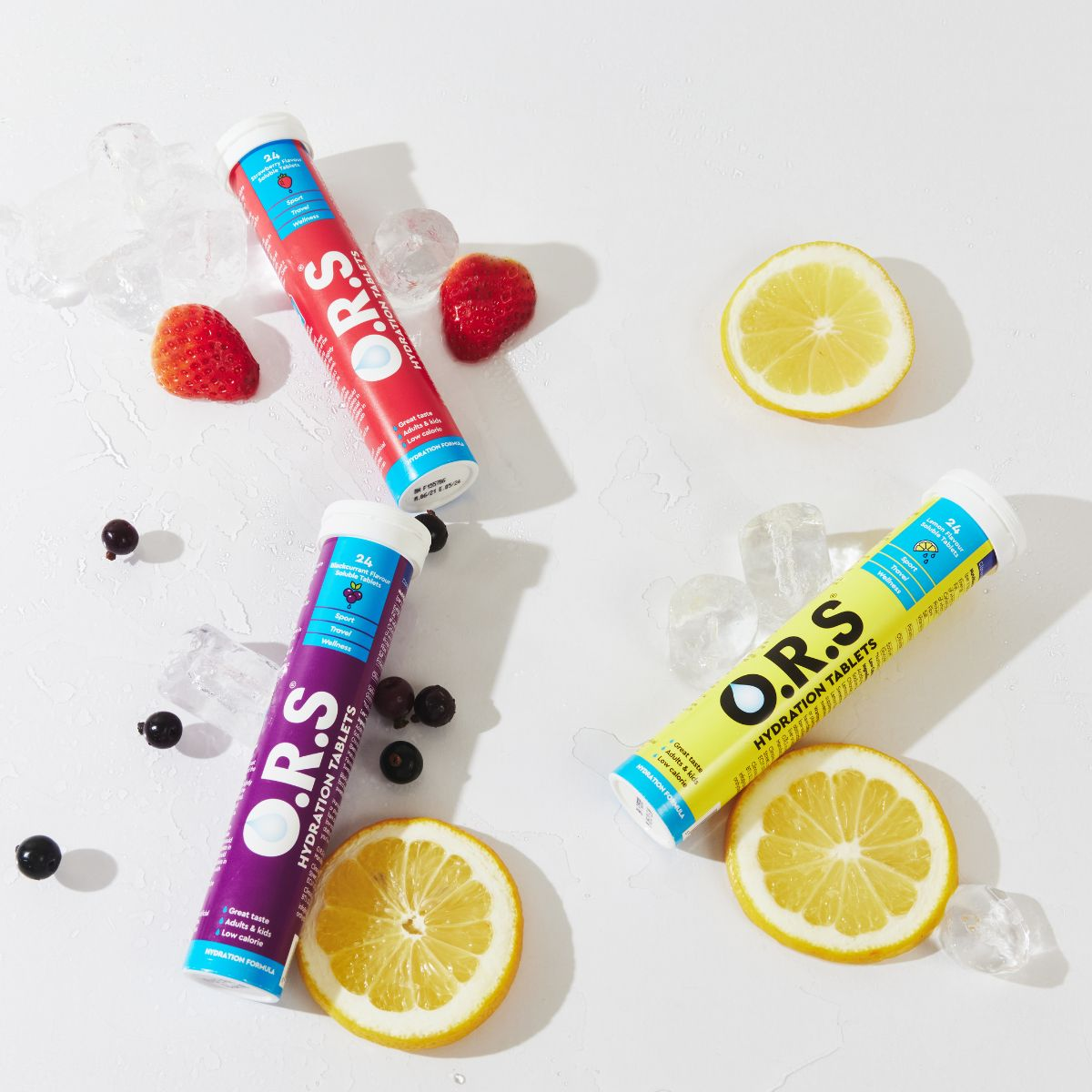
For quick rehydration this summer, check out O.R.S Hydration Tablets.
Electrolyte Rehydration
Our everyday hydration tablets contain electrolytes to help your body hydrate faster and more effectively than water alone.
Electrolytes, including sodium, potassium and chloride, are important because they help support fluid balance and normal bodily function. When taken with glucose/dextrose in an oral rehydration solution, they help support effective rehydration.
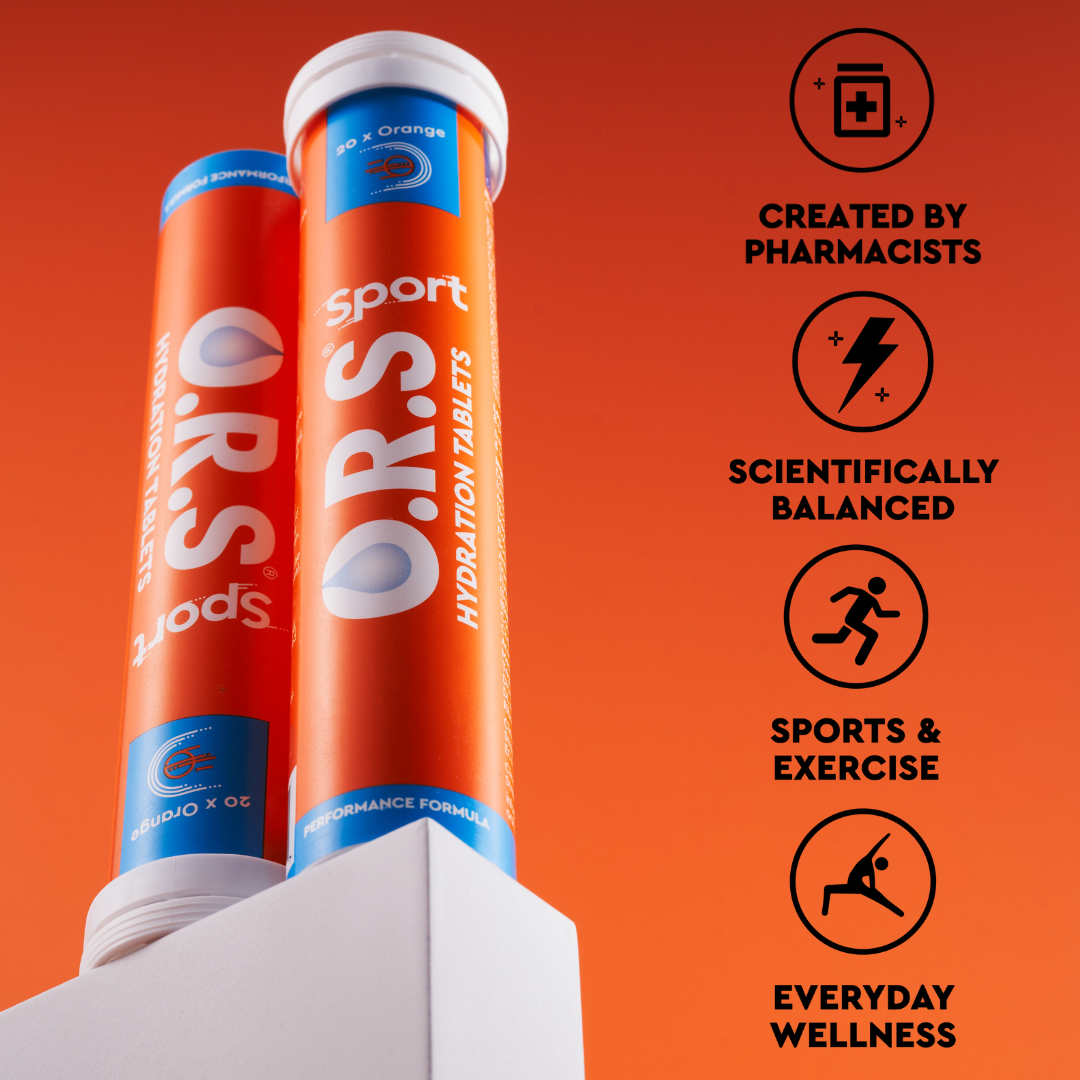
O.R.S Hydration Tablets are the only NHS-prescribed electrolyte tablets following WHO (World Health Organisation) guidelines. Created by pharmacists and recommended by medical practitioners, they can help you combat the signs of dehydration this summer.


1 comment
Are electrolytes the same as hydration tablets