
The Essential Guide to Staying Well Hydrated During Fasting
As we approach two major fasting periods (Lent and Ramadan), staying properly hydrated is more important than ever. But how do you make sure you’re staying properly hydrated during these fasting periods? And are there any supplements or electrolyte tablets you should be keeping on hand to reduce the risks of dehydration?
When Is Lent & Ramadan?
Lent is the 40 days from Ash Wednesday (this year, the 17th of February), to the day before Good Friday (this year, the 2nd of April). It’s a Christian tradition that represents a time of reflection and forgiveness before the Easter festival, and many Christians mark it by giving something up, or even by partaking in intermittent fasting.
We are also approaching another religious festival known as Ramadan (this year from the 17th of February until the 18th of March), which is an Islamic event that is observed with fasting from dawn until sunset. Fasting is one of the five pillars of Islam, and the end of Ramadan is marked with the festival of Eid al-Fitr.
Worshippers are expected to forgo food, drink, and other bodily pleasures during daylight hours for the holy month. This brings some obvious challenges in terms of staying well hydrated throughout the day. The human body consists of about 60 to 70 per cent water, and we continually lose fluids as we breathe, sweat, and go to the bathroom, so fasting can have a major impact on staying properly hydrated.
How Fasting Effects Hydration
Many people don’t realise that abstaining from food, rather than just water and other drinks, makes them prone to dehydration. On average, we get about 20% of the body’s water needs through digesting the food we consume throughout the day, so this deficiency needs to be addressed to avoid unwanted side effects and even serious health complications.
Anyone observing a fasting period, whether for religious reasons or as part of a diet regimen, needs to pay careful attention to their hydration levels, because it is likely that they are losing more fluids than they are taking in. This is particularly the case for strict observers of Ramadan who abstain from drinking as well as food from dawn until dusk.
The Risks Of Dehydration During Fasting
Dehydration not only makes us feel thirsty and lightheaded with an unpleasantly dry mouth, but it can also have more serious consequences. This is because we are not only depleted of water, but also of essential minerals known as electrolytes that are contained in bodily fluids.
These minerals, such as sodium, chloride, calcium, potassium and magnesium, help the body to regulate fluid levels, and they cannot be quickly replaced once the balance is upset. This is because even if you drink a lot of water, your body’s cells will be less efficient at absorbing it.
Electrolytes serve other important functions in keeping the liver, heart, and muscles functioning properly. Symptoms of a possible electrolyte imbalance include mental fogginess or confusion, muscle cramps or weakness, numbness or tingling, slow or arrhythmic heartbeat, low blood pressure, vomiting or feeling sick, and tiredness and fatigue.
Dehydration over a longer period of time can cause toxins to build up in the body, which can lead to digestive problems, unhealthy-looking skin, dry eyes, and stiff joints. If it is very severe, it may even cause fainting, seizures, brain damage or death.
How To Stay Hydrated During Fasting?
For those who are abstaining from food only during a fast, it’s still important to take on board more fluids than usual to replace the water that would normally be extracted from food. The exact amount of water will depend on your usual diet and fluid intake, daily activity levels, and the environmental conditions, such as heat and humidity levels.
If you’re abstaining from both food and water for an extended period of time, like during Ramadan, making sure you’re hydrating slowly and using electrolyte tablets can make all the difference. Our guide to staying hydrated during Ramadan has all the tips and tricks you need if you’re abstaining from water for a longer period.
During Ramadan specifically and during the hours when it is permitted to eat, try to include plenty of water-rich foods such as watermelons, cucumbers, tomatoes, celery, apples, and blueberries. Vegetables and fruits are also high in fibre and will help to keep you feeling fuller for longer during the daytime. Avoid salty foods, as this can upset the sodium levels and lead to excessive thirst.
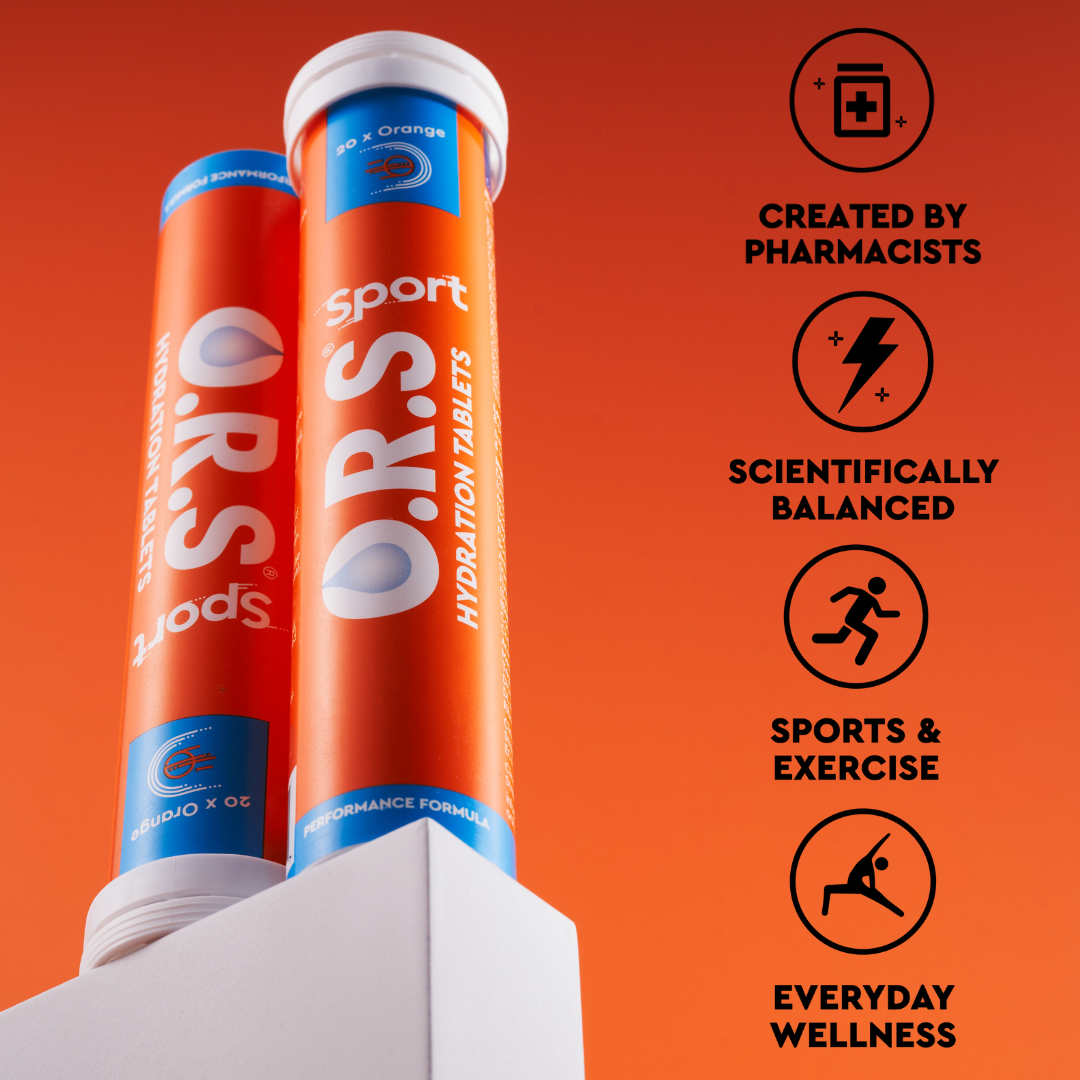
Choose O.R.S Hydration During Your Fast
In order to stay hydrated and healthy during your fast, our O.R.S Everyday electrolytes can make all the difference. To find out more about our range or to chat to someone about the best ways to hydrate during these periods, you can get in touch with our team today.