

What Happens To The Body During A Hangover?
Share
We’ve all been there. We’ve gone out the night before, had a few (or a few too many) drinks and have woken up with a pounding headache and a horrible hangover, but do you know the science behind hangovers? And do you know what’s really happening internally after a night of hitting the town a little too hard?
If you’ve woken up swearing off drinking forever, or you’re looking for a bit more information about the causes of a hangover (and also possible treatments), you’ve come to the right place.
This is our guide to all things hangovers: the science, the causes and the treatments.
Back To Basics: What Actually Is A Hangover?
It might seem like we’re starting from scratch, but before we get into the nitty-gritty of the science behind hangovers, we have to make sure we’re all on the same page about what a hangover actually is.
The simple explanation is that a hangover is those uncomfortable symptoms you get following drinking too much alcohol. Hangovers feel different for everyone, but the main symptoms of a hangover include fatigue, weakness, thirst, headaches and muscle aches after a big night of drinking. But what actually happens to your body during a hangover? And is there anything you can do to counteract the less-than-favourable symptoms?
The Science Behind Hangovers
Hangovers happen due to several different factors, and the reasons for hangovers are more physiological than simply having too much to drink. Here is some of the science behind hangovers:
You’re dehydrated
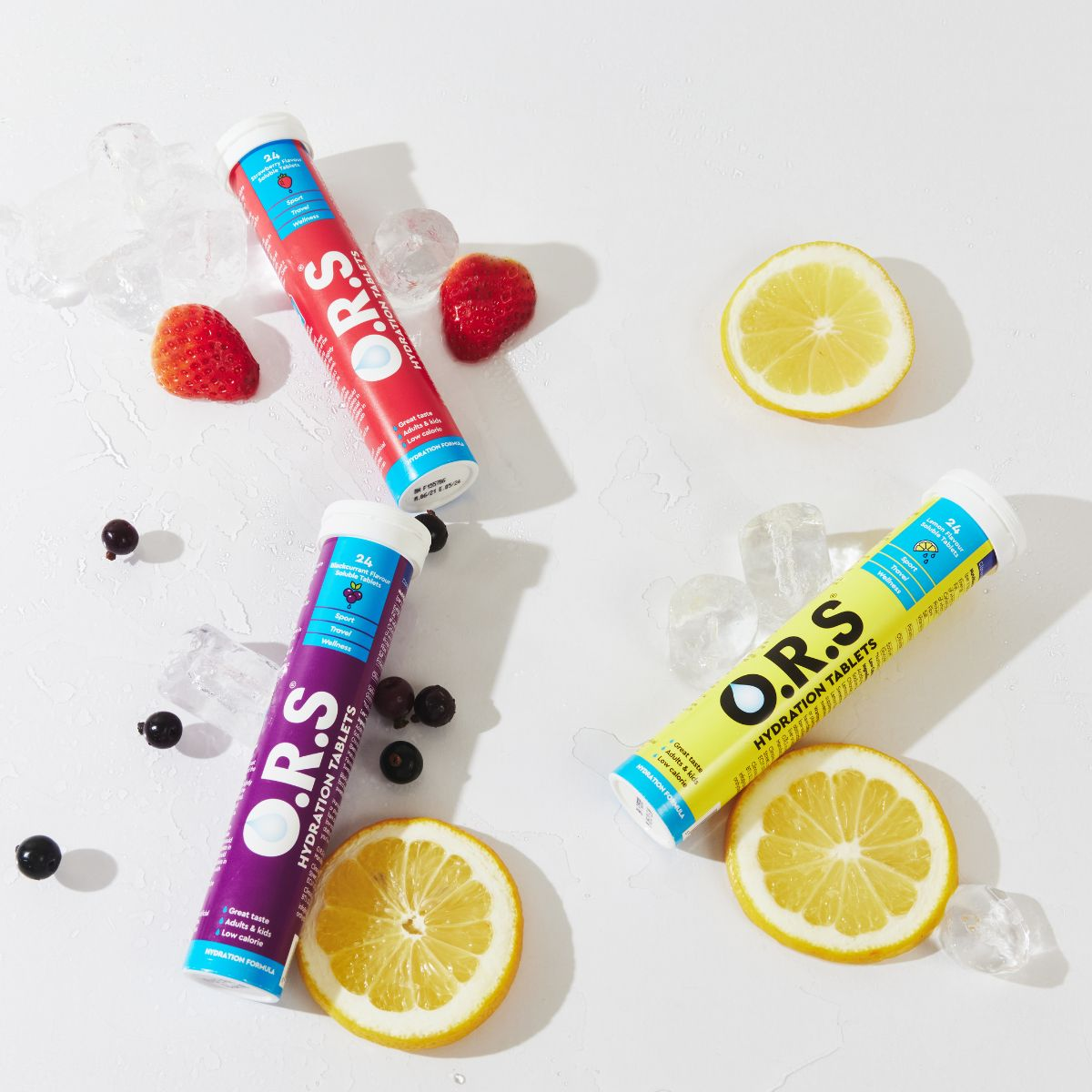
It’s no secret that alcohol makes you dehydrated, but it’s not just because you’re not drinking enough water. Alcohol increases urination and causes an excess loss of fluids, which can lead to mild dehydration and symptoms of excessive thirst, headaches and fatigue the morning after. Staying hydrated is one of the keys to minimising your hangover symptoms, but if you don’t want to fill up on fluids, utilising electrolyte tablets is a great way to make sure you’re keeping hydrated during a night of drinking.
You don’t sleep as well
Whilst you might find yourself falling asleep quicker after drinking, the quality of your sleep is affected by alcohol, leading you to wake up throughout the night or wake up earlier than you usually would. When your sleep is impacted, your body doesn’t have time to properly recover, which can lead to you feeling fatigued and achy in the morning.
Your body becomes inflamed
Alcohol causes inflammation throughout the body, especially in the lining of the stomach. This inflammation can lead to a general feeling of unwellness, as well as stomach pain, nausea, and sometimes vomiting.
Is There an Effective Hangover Treatment at Home?
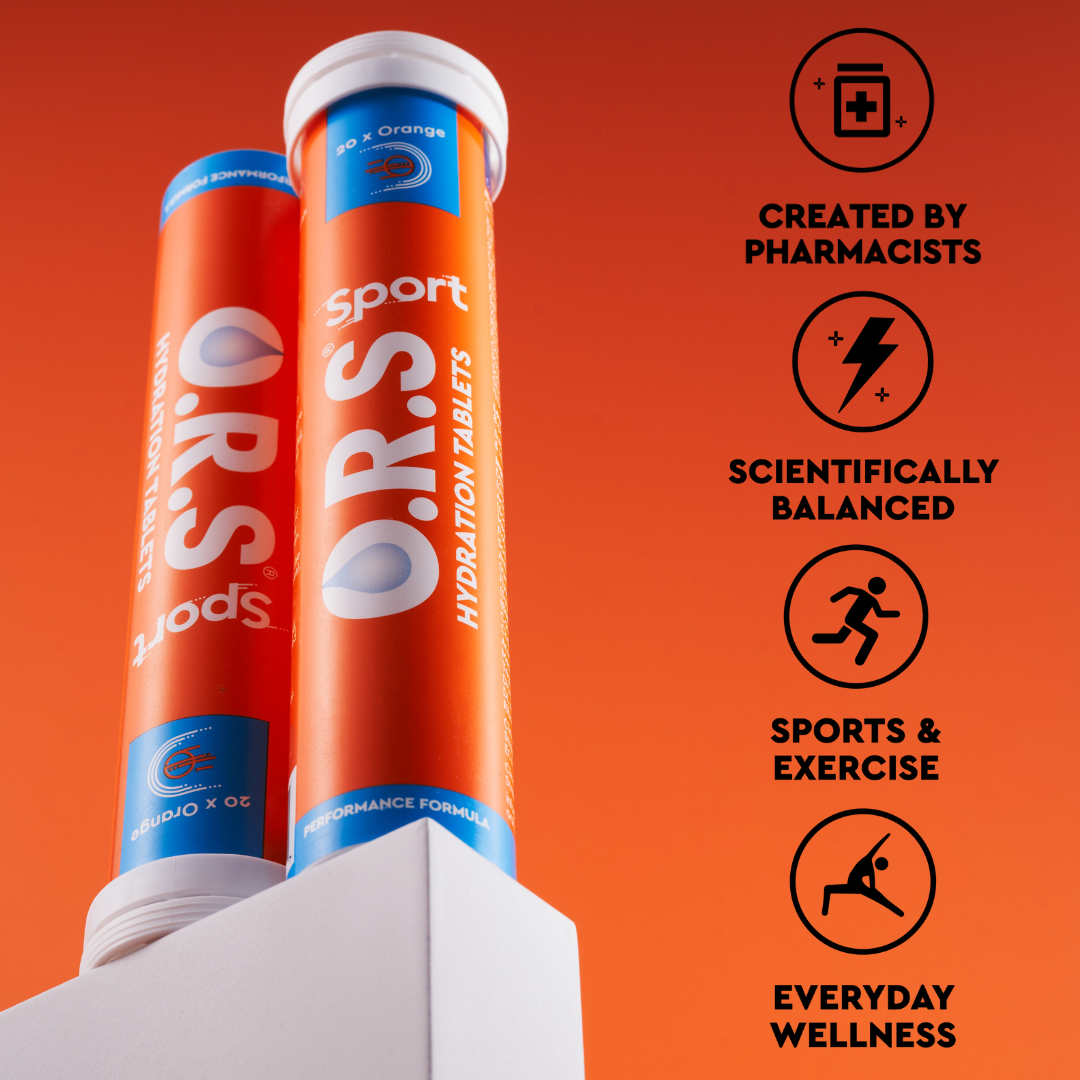
When it comes to curing a hangover, there are a number of “sworn by” home remedies that don’t actually have much scientific evidence behind them. When it comes to curing a hangover, electrolytes, vitamins and water are going to be your best options. Electrolytes help your body to manage water retention, muscle action, the transmission of nerve impulses and even your mood.
When you ensure proper hydration through electrolytes, you can reduce the uncomfortable side effects of a hangover and help your body recover after an evening of drinking.
How Long Will My Hangover Last?
The good news about a hangover is that, whilst painful, they’re rarely dangerous. How long your hangover is set to last really depends on how much you’ve had to drink and how your body processes alcohol. Your hangover will typically peak when your blood alcohol levels return to zero, and the symptoms of a hangover typically last between 12 and 24 hours.
It’s important to remember that whilst hangovers are rarely dangerous, they can reduce your coordination and decision-making, so it’s important not to drive a car or operate machinery with a hangover.
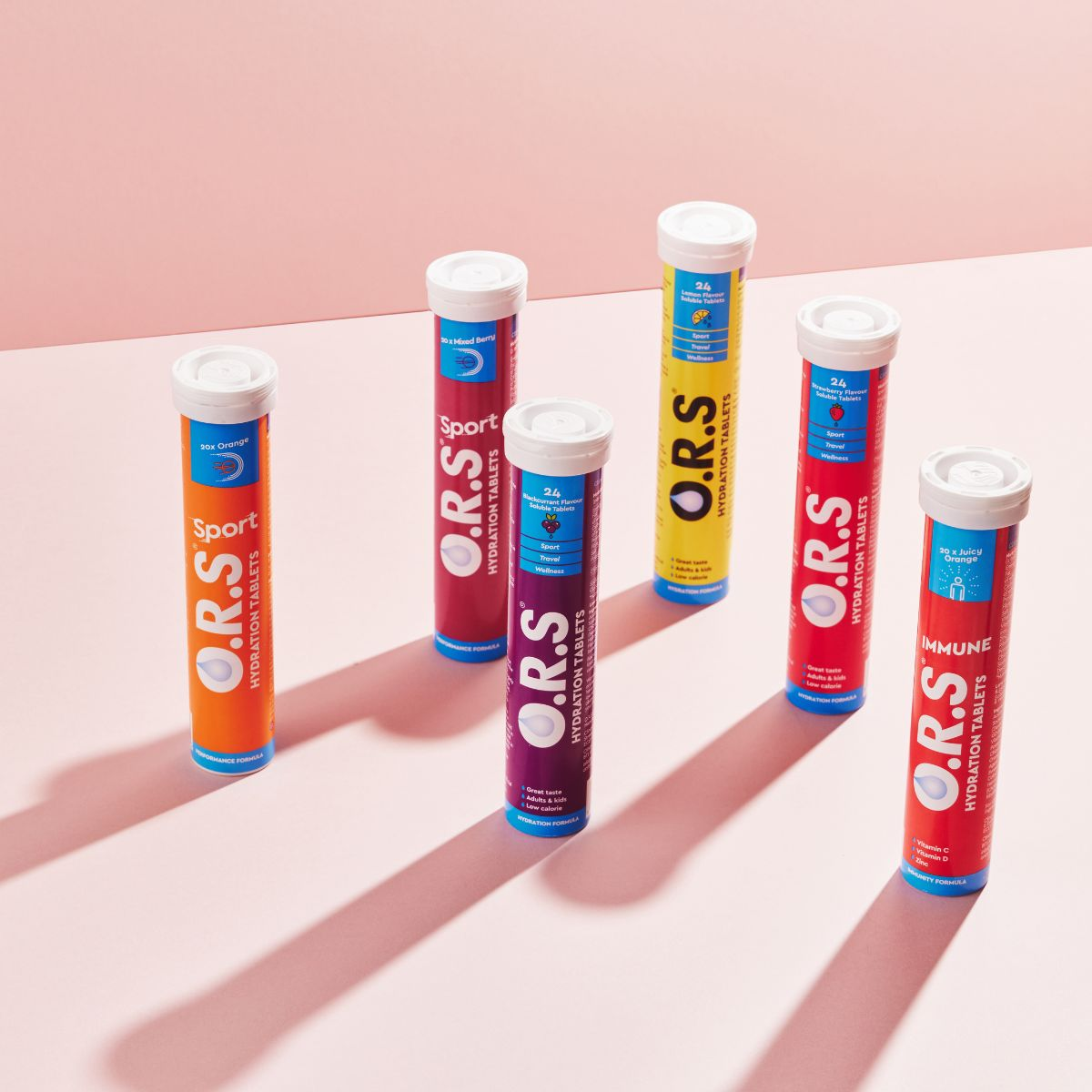
If you want to find out more about our electrolytes range and how they can help you tackle a hangover, you can get in touch with our team today or read our whitepaper.